
recipes

An Amazing, Healthy Beetroot Cake

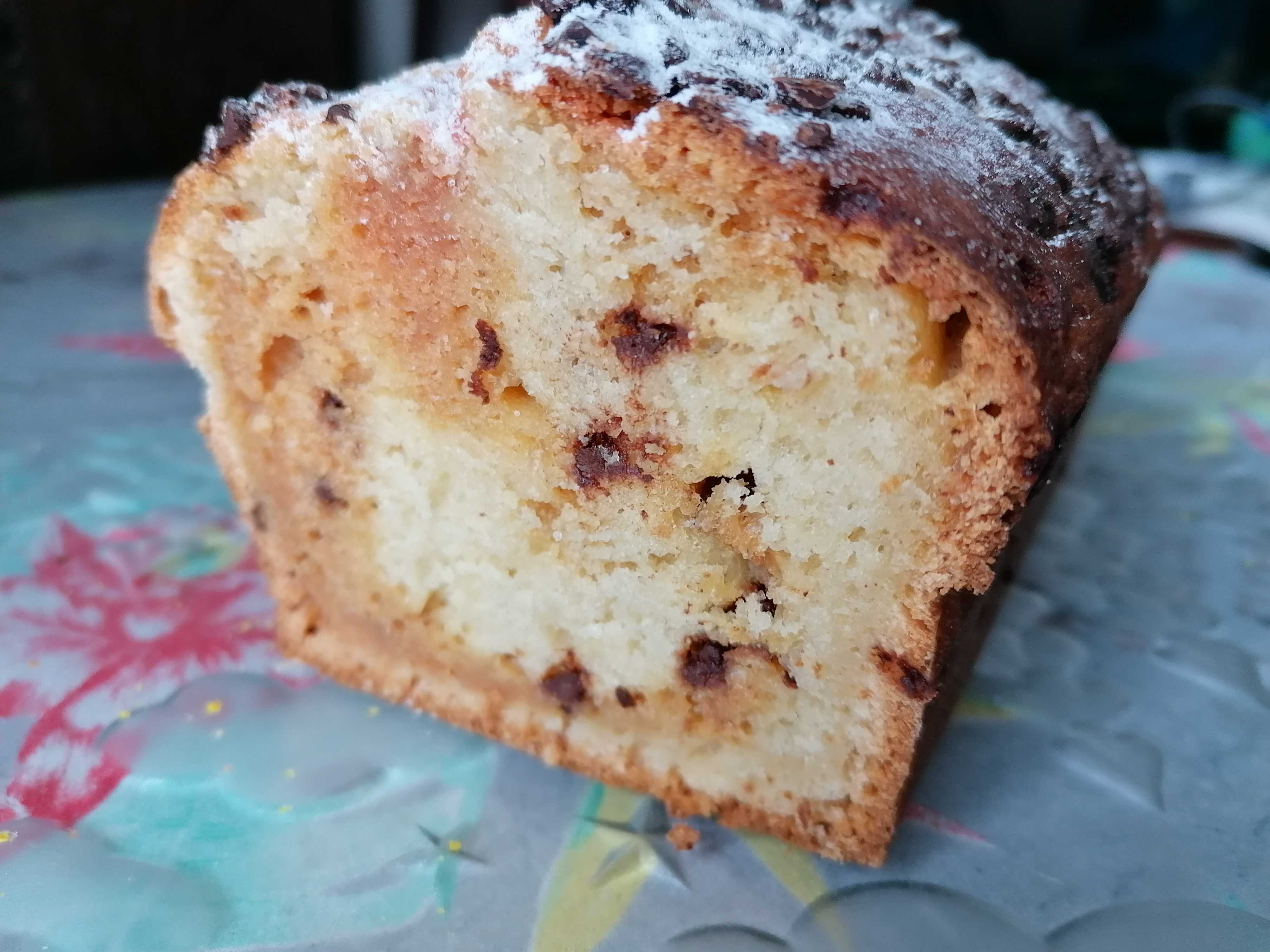
This healthy beetroot cake is just unbelievable!

The beetroot powder packs it with nutrients and provides a unique flavour, whilst the sweetener omits calories and makes it suitable for diabetics (depending on your choice of sweetener, of course).

*To read all about the health benefits of beetroot, head over to our ‘Let’s BEET This Cold‘ page.*

Before we take a look at the recipe, if you’re anything like me, you may have experimented with natural colourings, opting to use powders instead of dyes, and have noticed that the end product didn’t contain the desired colour. And you’re wondering why… in the case of beets, why after baking is there no distinct red colour? Well, here is a funny fact about beetroots and their distinct red colour;

Beetroots are red due to their anthocyanins. And according to the International Conference on Food Science & Engineering;

Anthocyanins can be used as pH indicators as their colour is influenced by several factors such as pH, temperature, light, oxygen, and sugar; they are pink in acidic solutions (pH < 7), purple in neutral solutions (pH ~ 7), greenish-yellow in alkaline solutions (pH > 7), and colourless in very alkaline solutions, where the pigment is completely reduced.

Therefore, if your dough is a lovely red prior to baking but comes out a neutral yellow post baking, then it is most likely that something in your recipe alkalised your dough. This can be combatted by mixing a small amount of ascorbic or citric acid to your dough when mixing.

Please bear in mind though, that the concentration of and fruit powder is seldom high enough to get a noticeable colour without using large amounts of the fruit, which would change the recipe texture if simply added.

Bottom line: if you want a rich colour, you’ll simply have to colour it with a gel dye.

Healthy Beetroot Marble Cake
  • Servings: 15
  • Difficulty: easy
  • Rating: ★★★★
  • Print

A fluffy, nutrient-packed cake recipe perfect for a winters day.

Ingredients

  • 2 cups (284 g) all-purpose flour*
  • 1 ½ cups (318 g) sugar/sweetener**
  • 2 teaspoons baking powder
  • ½ teaspoon baking soda
  • ½ teaspoon salt
  • 1 â…“ cups (302 g) yogurt
  • 10 tablespoons (141 g) olive oil***
  • 3 large eggs
  • 1 teaspoon vanilla
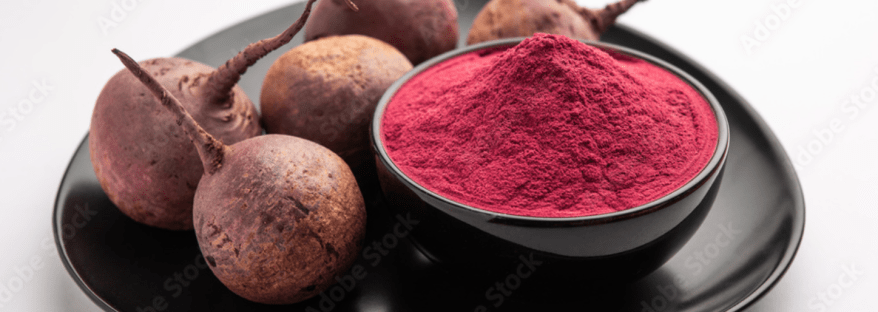
  • 2 tablespoons beetroot powder
  • 1 cup chocolate chips

Directions

  1. Preheat the oven to 350 degrees. Line a 9×13-Inch pan with parchment paper.
  2. In a large bowl, combine all the wet ingredients in one bowl and the dry in another (excluding the beetroot powder and chocolate chips).
  3. Bowl 1: Flour, sweetener, baking powder, baking soda and salt Bowl 2: yogurt, olive oil, eggs, vanilla
  4. Mix the dry ingredients into the wet until well-combined.
  5. Separate the mixture into two equal portions. Leave one as is, and in the other add the beetroot powder mixing well.
  6. Once these are ready, use a spoon to dollop portions of both mixtures into the base of the pan randomly.
  7. Then use a toothpick to make a swirl pattern.
  8. sprinkle half the chocolate chips on top.
  9. Spoon the remaining cake batter on top in large dollops and swirl. Sprinkle with the remaining chocolate chips.
  10. Bake for 30-35 minutes until golden on top and set around the edges and a toothpick comes out with only a few moist crumbs (don’t over bake or the cake will dry). Serve warm or at room temperature.
    Notes
  • Gluten intolerance; substitute with a gluten-free flour
  • Diabetics; substitute with, monk fruit sugar, stevia, canderel (1:1 ratio)
  • otherwise you can make with half-half, cane sugar, coconut sugar or molasses
  • If you don’t like the flavour of olive oil, as it can be potent in cakes, you can substitute it with: coconut oil, ghee, or vegetable shortening (1:1 ratio)

Nutrition

Per Serving: 232 calories; 14.1 g fat; 21.4 g carbohydrates;
5.1 g protein; 41 mg cholesterol; 158 mg sodium; 4mcg Vitamin D;
98mg Calcium; 1mg Iron; 192mg Potassium.
Nutrition

**Note that the calorific value reflects the calories using regular sugar. If you’ve used zero calorie sugar or sweetener, make sure to make the appropriate adjustments (i.e. remove 50 calories) and the same applies to all other substitutions.
SUPERFOODS

Let’s BEET This Cold

Beetroot is classified as one of the top ten plants with the highest antioxidant activity!

Beetroots and its various forms have been gaining popularity as a superfood globally, especially among athletes looking to improve their performance, and in health individuals to reduce blood pressure, and increase blood flow.

This was fuelled by a vast interest in the potential use as a disease-preventing food and for general health promotion. The health promotional characteristics of beetroot include antioxidant and anti-inflammatory effects, anti-diabetic, anti-carcinogenic, hypertensive, hepatoprotective, and wound healing properties.

Beetroot consists of a number of biologically active phytochemicals such as betalains (which in the context of antioxidation, increase cellular resistance to oxidation, thus decreasing the oxidative damage of lipids. They function to reduce the extent of inflammation in blood vessels, joints, and bones), flavonoids, polyphenols, and saponins, among inorganic nitrate (NO­­­3) which is known for being a multi-functional messenger molecule with implications both in the vascular and metabolic systems.

Beetroot also contains B-vitamins (B1- thiamine, B2-riboflavin, B3-niacin, B5-pantothenic acid, B6-pyridoxine, B9-folates, and B12-cyanocobalamin) as well as folic acid, several essential amino acids, and is a highly potent source of a range of minerals (phosphorus, calcium, magnesium, copper, zinc, iron, potassium, sodium, and manganese).

The fibre derived from beetroot provide a probiotic effect, increasing the proportion of beneficial bacteria in the gut, such as Bifidobacterium and Lactobacillus species.

So to conclude, beetroot provides a wide range of possible health benefits, such as reducing blood pressure, improving digestive health and regularity, lowering the risk of diabetes, preventing arthritis, kidney inflammation, and may assist in decreasing the risk of neurodegenerative disorders such as dementia & Alzheimer’s.

Here are a number of delicious and interesting ways to incorporate beets to your diet;

  • Salad; Beets make a flavourful and colourful addition to any for of salad, whether warm (with couscous or quinoa), or cold (in coleslaw or mixed leave salad)
  • Baked goods; packs an abundance of nutrients and flavours in cakes, bread, and many more
  • Dips; a nice dip is one mixed with yogurt and garlic
  • Juices
  • Soups; both hot and cold
  • Leaves; boil and serve with fresh lemon and garlic (just as you would nettle or spinach)
  • Boiled; try not to over boil as you lose nutrients, best served with a fresh garlic sauce
  • Roasted; best roasted in aluminium foil to preserve the juices
MENTAL HEATLH, SUPERFOODS

Immuno-Boosting Combinations

Our immune systems are complex defence networks comprising many cells, proteins and processes that work to protect our bodies against any infection and diseases. It keeps a record of every germ ever defeated so that it is able to recognise and destroy the microbe quickly if it enters the body again. To work optimally, it requires balance and harmony.

Therefore, our first line of defence is a healthy lifestyle with good, regular nourishment.

Due to the closely linked relationship of mind and body, it is important to consider the relationship between stress and immune function and try incorporate foods and supplements to work on these simultaneously.

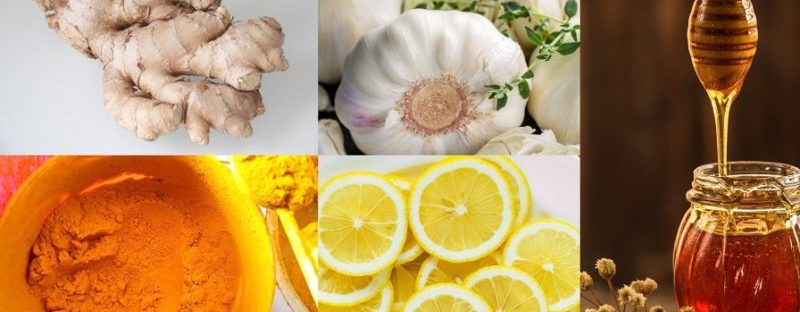
Below are a few items that when combined provide a powerhouse of nutrients to battle any cold, flu or bacteria. They can be incorporated into any food or consumed as a tea.

GINGER
The unique fragrance and flavour of ginger come from its natural oils, the most important of which is gingerol. This is what is responsible for most of its medicinal properties and has powerful anti-inflammatory and antioxidant effects which help strengthen your immunity and reduce stress, prevent cell damage, fight off a number of chronic diseases like high blood pressure, heart and lung diseases, fights germs, illness, inflammation and cancer-causing molecules, all whilst promoting healthy ageing.

Inhaling the steam from freshly made ginger root tea may also assist in relieving nasal congestion and other respiratory issues from the common cold or environmental allergies.

Ginger works as a powerhouse detoxifier, helping remove unwanted chemicals from your body, and neutralizing unstable molecules known as free radicals from the kidneys thus preventing the formation of kidney stones.

It is also known to treat chronic indigestion, suppress your appetite, and keep your metabolism at its best.

LEMON
Freshens your breath, boosts your immunity, improves your skin, aids in digestion, may support heart health, and weight control among many other benefits. They are high in vitamin C and fiber.

Lemons may also help prevent kidney stones due to their citric acid content. The citric acid works by increasing urine volume and increasing urine pH, thus creating a less favourable environment for kidney stone formation.

Due to the fact that vitamin C and citric acid assist in the absorption of non-heme iron from plants, lemons are also thought to prevent anaemia.

TURMERIC
Turmeric contains the active compound curcumin which has many scientifically-proven health benefits such as the potential to prevent heart and liver disease, reduce cholesterol, alleviate PMS symptoms, aid in gastrointestinal diseases, Alzheimer’s and cancer. It is also a potent anti-inflammatory and antioxidant and therefore helps to fight off a variety of viruses including herpes and the flu, among many other things.

Honey
Raw, unpasteurised, honey has long been used as a folk remedy throughout history and has a huge variety of health benefits and medical uses such as antibacterial and antifungal properties, digestion and gut health, immunity boosting, antioxidants, in its use for sore throats and to heal wounds.

Garlic
Garlic has been used throughout history for its medicinal properties. It is known to combat sickness, common colds, infections, reduce blood pressure and improve cholesterol levels reducing the risk for heart disease.

Green Tea
Contains powerful antiviral and anti-inflammatory properties therefore boosting the immune system and preventing various ailments such as cancer and coronary heart disease among many others. It also reduces the effects of free radicals and prevents inflammation caused by extensive exposure to UV sunrays.

All the above are prefect for incorporating in to your every day diet to alleviate a variety of ailments whilst boosting your immune system.