recipes

Lemon & Turmeric Cake

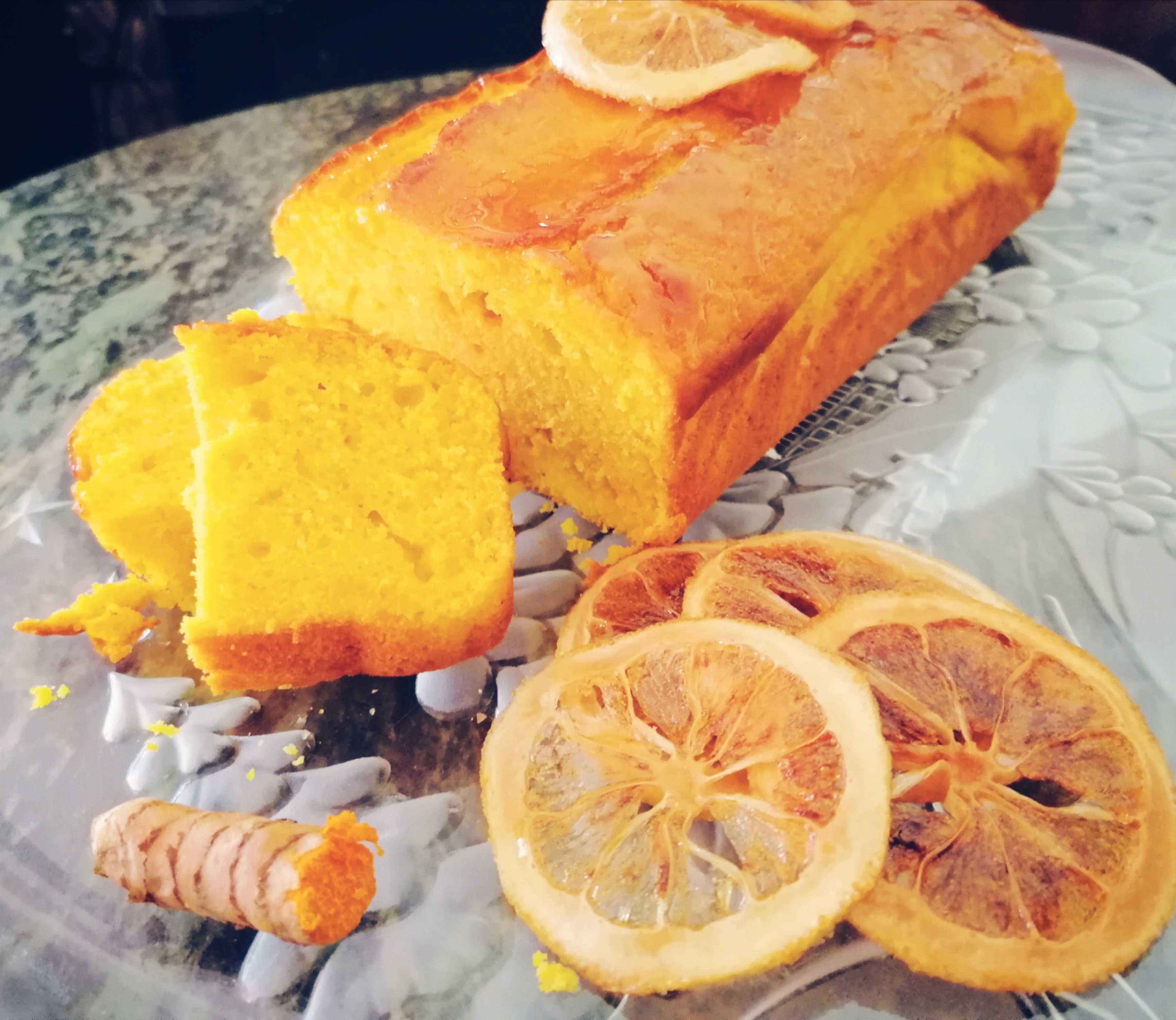
Moist, tangy, and delicious!! This lemon & turmeric cake can be decorated with caramelised lemon slices or left as is.

It’s easy, doesn’t require a mixer, and is the perfect tea cake. All your friends will absolutely love it! That’s IF there’s any left by the time they arrive…

The turmeric is not overpowering, but is just enough to draw attention to its presence. It provides the right hint of spice that pairs extremely well with the tanginess of the lemon. The appeal is not only with the flavour but also in the vibrant yellow colour, and of course, the health benefits, which are huge!

You can read more about these health benefits in our ‘immuno-boosting-combinations‘ post.

Lemon & Turmeric Cake

  • Servings: 12-15
  • Difficulty: easy
  • Rating: ★★★★★
  • Print

Moist, tangy, and delicious! And can easily be made keto or paleo! - This turmeric cake will be your new immuno-boosting go-to solution!

Ingredients

  • 1 ½ cups flour
  • 2 teaspoon baking powder
  • 1 teaspoon salt
  • ¾ teaspoon turmeric powder
  • {if you have fresh turmeric, you can also add a root (or less, depending on the size) finely grated}
  • 2 lemons – grated zest
  • ¾ cup sugar/stevia
  • ¾ cup yogurt
  • 2 eggs
  • ½ cup butter (melted)

Directions

  1. Preheat the oven to 350 degrees. Line a 10-Inch pan, or loaf pan with parchment paper.
  2. In a medium bowl, toss together the flour, baking powder, salt, turmeric powder, and freshly grated turmeric root if using.
  3. In a separate bowl, mix together the lemon zest with the sugar until combined. Then add the yogurt, eggs, and melted butter, making sure to mix well.
  4. Add the bowl with the wet ingredients to the dry and whisk until fully combined.
  5. Pour into the prepared pan.
  6. Bake for 30-35 minutes until set around the edges and a toothpick comes out with only a few moist crumbs (don’t over bake or the cake will dry). Serve warm or at room temperature.
    Substitutions
  • Substitute flour for oat flour, or gluten-free flour.
  • You can replace sugar with any form of granulated sugar, whether it be stevia or coconut sugar.
  • Instead of butter, you can use coconut oil, vegan butter or ghee, depending on your preference.

Nutrition

Per Serving: 119 calories; 7 g fat; 11 g carbohydrates; 2.8 g protein; 39 mg cholesterol; 61 mg sodium.

recipes

Best Healthy American Style Cookies

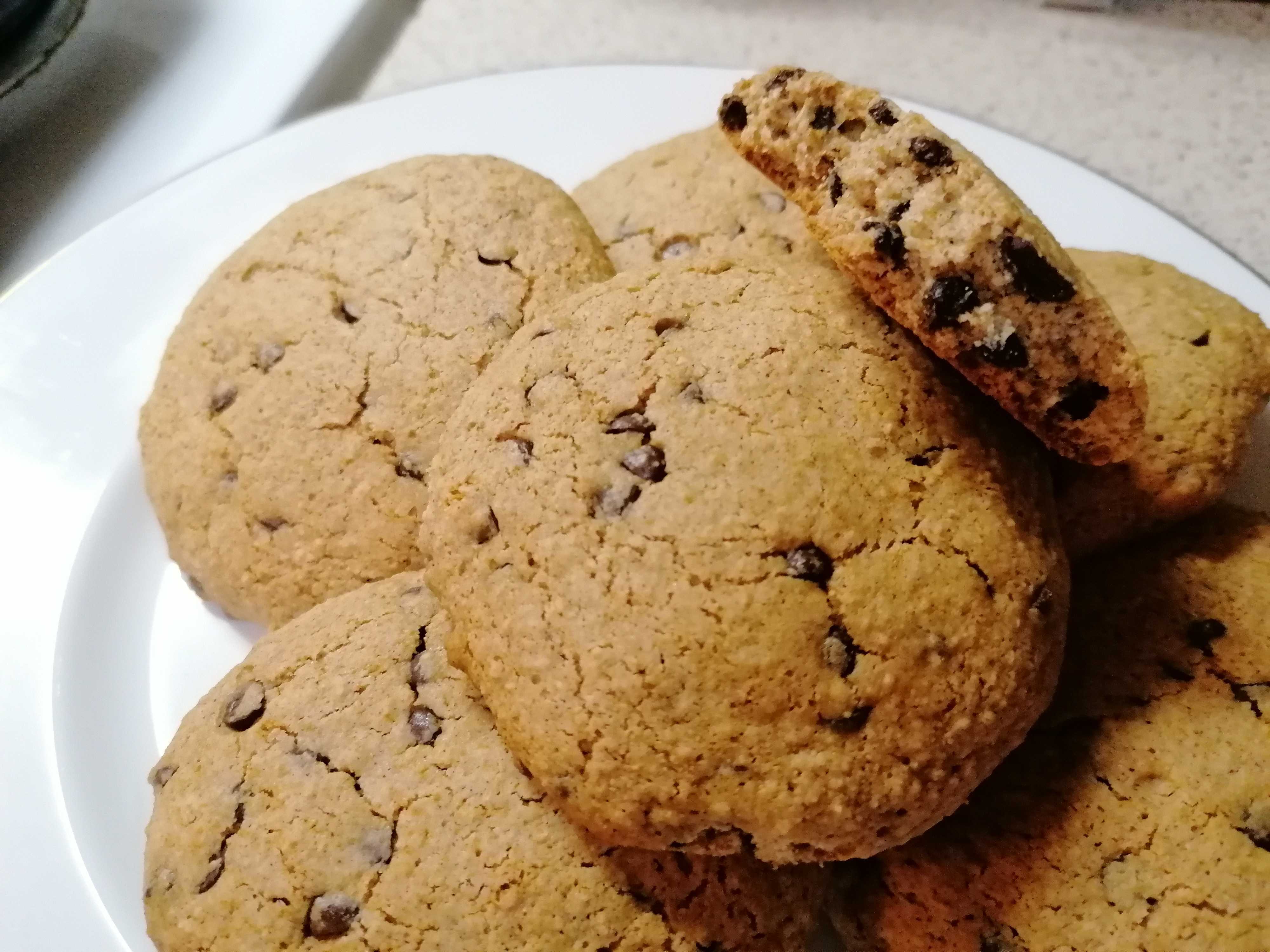
Addictive and indulgent! These soft and chewy cookies, loaded with chocolate chips, will just make your day!

You’ll find that you won’t be able to stop on only one bite…

As these cookies contain no eggs and no sugar, they won’t spread. So depending on your preference, you can make them as thick or thin as you like. I tried them both ways and must say I prefer them slightly thinner as it gave them a nice crunch before reaching the soft and chewy inner.

These cookies can be stored in a sealable container for up to 1 week, if they manage to last that long, as in my house they tend to go within the first hour. You can also store them in the refrigerator for up to 2 weeks.

Best Healthy American Style Cookies

  • Servings: 12-15
  • Difficulty: easy
  • Rating: ★★★★★
  • Print

No butter, no white flour, no sugar and no eggs needed - These vegan cookies can easily be made paleo or keto too!

Ingredients

  • 2 cups oat flour
  • ¼ cup arrowroot starch
  • 1 teaspoon baking powder
  • 1 teaspoon baking soda
  • 1 teaspoon Vanilla extract
  • 6 tablespoons honey
  • 2 tablespoons olive oil
  • ¼ cup unsweetened almond milk
  • ½ cup chocolate chips

Directions

  1. Preheat the oven to 180C/356F and line a large tray with parchment paper. Set aside.
  2. In a large mixing bowl, combine your dry ingredients and mix well.
  3. In a saucepan over the stove, or a microwave-safe bowl, gently heat your honey, add your oil and whisk together until combined.
  4. Add the wet mixture to the dry, along with the vanilla extract and milk, and mix until thoroughly combined.
  5. Fold in your chocolate chips.
  6. Place small spoonfuls of dough on the lined tray and press each one lightly, into a cookie shape.
  7. Bake for 12-14 minutes, or until lightly brown. Make sure not to overcook. Remove from the oven and allow to cool completely on the tray.
    Substitutions
  • Substitute Oat flour for almond flour for a more paleo cookie
  • Cornflour or tapioca flour can be used instead of arrowroot starch, also, flaxseed is a good alternative if you’re looking to make them keto
  • You can replace honey with maple syrup, agave nectar or sugar-free syrup to make it keto
  • Instead of olive oil, you can use coconut oil
  • coconut milk can be used instead, or any milk of your choice.

Nutrition

Per Serving: 163 calories; 5.5 g fat; 26.2 g carbohydrates; 2.8 g protein; 2 mg cholesterol; 9 mg sodium.

As an update, I substituted 1/2 a cup of oat flour with coconut flour and the results were very nice. It added a different flavour to mix.

MENTAL HEATLH, SUPERFOODS

Let’s Chat About Stress Busting Foods

Stress is everywhere, affects us all, and means different things to different people. Where one thing may cause stress in one person, it may be of little concern to another. There are some people better able to handle stress than others and not all stress is bad.

It is a natural physical and mental reaction to life experiences, and is the body’s reaction to harmful situations, whether real or perceived.

When you feel threatened, your nervous system, primarily your hypothalamus sends a signal to your adrenal glands instructing them to release the stress hormones adrenaline and cortisol, which stimulate the body for emergency action, allowing you to act in a way to prevent injury… your heart beats faster, muscles tighten, blood pressure rises, your breathing quickens, and your senses heighten. This reaction is known as “fight-or-flight,”.

While a little stress may actually be beneficial, too much stress can have adverse effects, wearing you down making you sick, both mentally and physically, and is known to affect all systems of the body including muscles, respiratory, cardiovascular, endocrine, gastrointestinal, nervous and reproductive systems.

Stress can affect all aspects of your life such as your body, your thinking ability, emotions, and your behaviour. There is no part of you that is immune to the effects of stress, but due to the fact that each one of us handles stress differently, our symptoms may vary.

With acute, momentary stress, your muscles tighten all at once and then release when the stress passes. In chronic conditions whereby the stress has not passed, the muscles are left in a more or less constant state of tension which leads to a number of triggered reactions else where in the body, such as tension-type headaches and migraine headaches which are known to be associated with chronic muscle tension in the shoulder, neck and head region. Musculoskeletal pain in the low back and upper extremities have also been linked to stress.

With regard to the gastrointestinal aspect, environmental causes have been seen to be the determining factor in a large percentage of cases. This could be due to the fact that once the stress hormones are released, they direct more oxygen and blood to the brain and muscles thus depleting the gut of them and affecting both the systemic and gastrointestinal immune and inflammatory responses allowing for disorders such as diverticulitis, inflammatory bowel disease (IBD), irritable bowel syndrome (IBS) and other functional gastrointestinal diseases, food antigen-related adverse responses, peptic ulcer and gastro-oesophageal reflux disease (GERD) to occur.

The physiological effects of stress on the gut include alterations in gastrointestinal motility, an increase in visceral perception, changes in gastrointestinal secretion, an increase in intestinal permeability, negative effects on regenerative capacity of gastrointestinal mucosa and mucosal blood flow, and negative effects on intestinal microbiota.

Foods can help subdue stress in a number of ways….

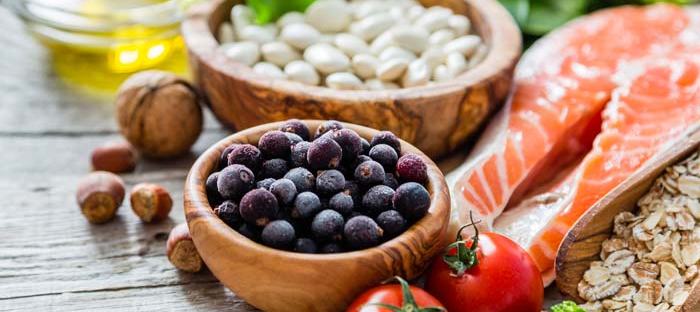
All carbohydrates increase levels of serotonin, a mood-enhancing chemical that decreases anxiety and stress, whilst increasing happiness, and mood. Therefore, comforting foods, such as a warm bowl of porridge (oats) is perfect, but for a steadier release of this hormone, whole grains are better as they digest slower. Other foods that also increase serotonin levels naturally are pineapple, salmon, eggs, nuts & seeds, turkey & poultry, tofu, soy, milk and cheese.

Certain foods can reduce the levels of cortisol and adrenaline stress hormones, thus consequently reducing the effect of stress, such as asparagus, low-fat milk, cottage cheese and fruit, almonds and walnuts, tuna, blueberries, green tea, whole grains, salmon, bananas, pears, and at least 70 percent dark chocolate (as one to two ounces per day can significantly improve mood and mood chemicals)

Other foods and supplements that can help combat stress are as follows;
– Vitamin C, found in kiwis and oranges, reduce the levels of stress hormones while strengthening the immune system.
– Magnesium, found in spinach, soybeans and salmon. Too little magnesium may exacerbate headaches and fatigue already caused by stress.
– Omega-3 fatty acids, found in fish such as salmon and tuna
– Potassium, found in avocados and bananas

A healthy diet can help counter the impact of stress by boosting the immune system and lowering blood pressure.