It is said that the propriety even of old Cato often yielded to the exciting influence of the grape. — Horace
Fresh grapes are a staple in most households both in and off season, and are consumed as are, in salads, roasted…and in many other ways. Wine is also widely consumed, but what happens with the pulpy residue that remains after winemaking? Well a number of things are made with this. For example, it is used in cosmetics, made into flour for use in baking and more, oil for salads…and much, much more.
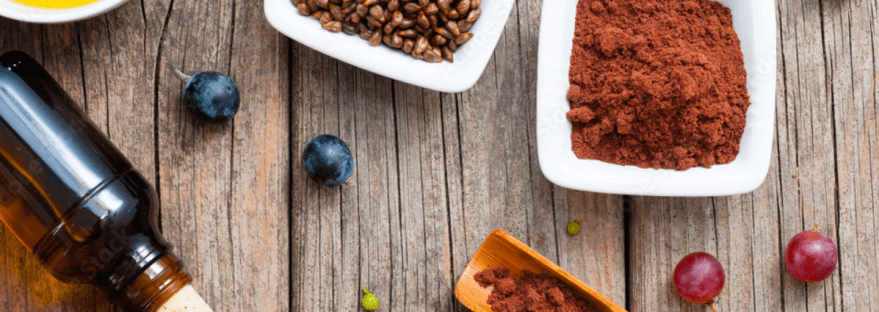
Grape seed extract is produced from the pomace (seeds and skin) waste generated during winemaking, by removing, drying, and pulverizing the bitter-tasting seeds of grapes. It is promoted as a dietary supplement for various conditions, including venous insufficiency (when veins have problems sending blood from the legs back to the heart), promoting wound healing, and reducing inflammation.
Due to the high antioxidant content in grape seeds, it can help prevent disease and protect against oxidative stress, tissue damage, and inflammation. It also reduces blood pressure, improves blood flow, collagen levels and bone strength, improves kidney function, inhibits infectuous growth, protects the liver, enhances wound healing and appearance, and may reduce the risk of cancer.
The antioxidant and anti-inflammatory properties in grape seeds are also thought to delay or reduce the onset of neurodegenerative diseases like Alzheimer’s disease.
In addition to antioxidants, grape seed flour is a good source of magnesium, calcium, iron, healthy fats, protein and fibre.
There are a variety of different types of grape seed flour each with a slightly different flavour and colour depending on the grape varietal they were derived from, i.e. Chardonnay, Cabernet Sauvignon, Merlot etc.
Grape seed flour isn’t a flour in the true sense of the word. It is gluten-free and comes as a fine powder that can be added to baked goods (pancakes, breads, cakes, scones, crackers, and many more) to add flavour, colour and nutrition. It can also be added to yogurt or smoothies and used to thicken sauces, flavour soups or in dressings. Furthermore, it adds a rich colour and flavour to dishes with a slight astringent yet fruity taste, and so chefs recommend that it makes up no more than 3-5% of the total flour in your recipe.
All-in-all, grape seed extract is a superfood which should be incorporated into the diet.
*A delicious addition to your hearty baking delights*
 QuIrKaLiCiOuS