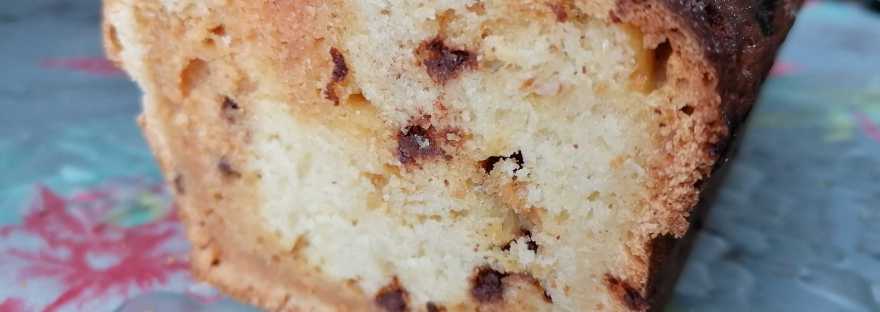
This healthy beetroot cake is just unbelievable!
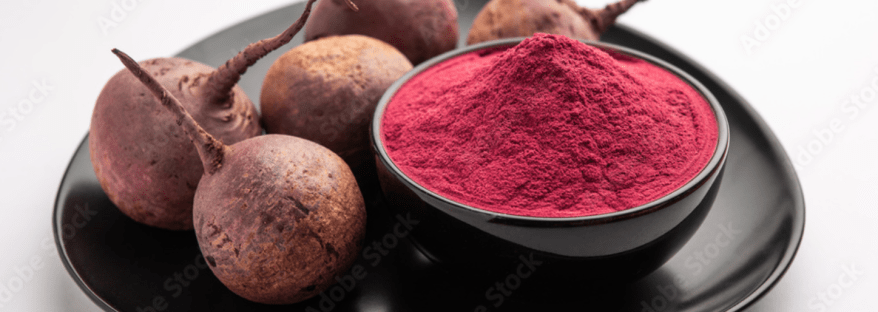
The beetroot powder packs it with nutrients and provides a unique flavour, whilst the sweetener omits calories and makes it suitable for diabetics (depending on your choice of sweetener, of course).
*To read all about the health benefits of beetroot, head over to our ‘Let’s BEET This Cold‘ page.*
Before we take a look at the recipe, if you’re anything like me, you may have experimented with natural colourings, opting to use powders instead of dyes, and have noticed that the end product didn’t contain the desired colour. And you’re wondering why… in the case of beets, why after baking is there no distinct red colour? Well, here is a funny fact about beetroots and their distinct red colour;
Beetroots are red due to their anthocyanins. And according to the International Conference on Food Science & Engineering;
Anthocyanins can be used as pH indicators as their colour is influenced by several factors such as pH, temperature, light, oxygen, and sugar; they are pink in acidic solutions (pH < 7), purple in neutral solutions (pH ~ 7), greenish-yellow in alkaline solutions (pH > 7), and colourless in very alkaline solutions, where the pigment is completely reduced.
Therefore, if your dough is a lovely red prior to baking but comes out a neutral yellow post baking, then it is most likely that something in your recipe alkalised your dough. This can be combatted by mixing a small amount of ascorbic or citric acid to your dough when mixing.
Please bear in mind though, that the concentration of and fruit powder is seldom high enough to get a noticeable colour without using large amounts of the fruit, which would change the recipe texture if simply added.
Bottom line: if you want a rich colour, you’ll simply have to colour it with a gel dye.
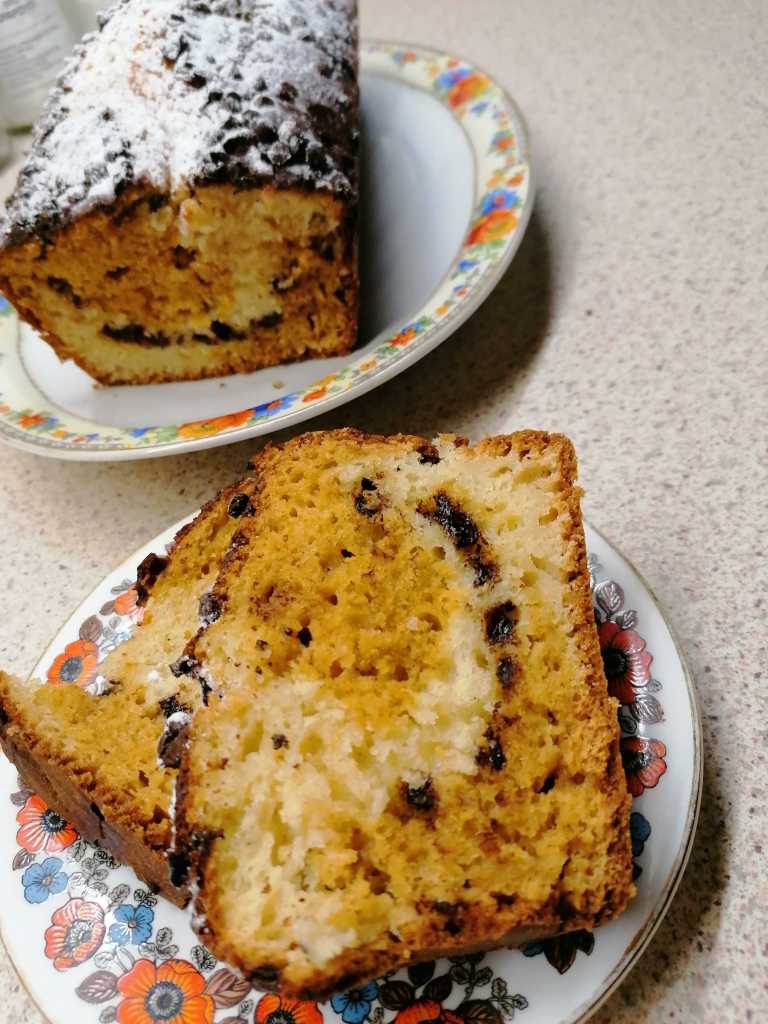
Healthy Beetroot Marble Cake
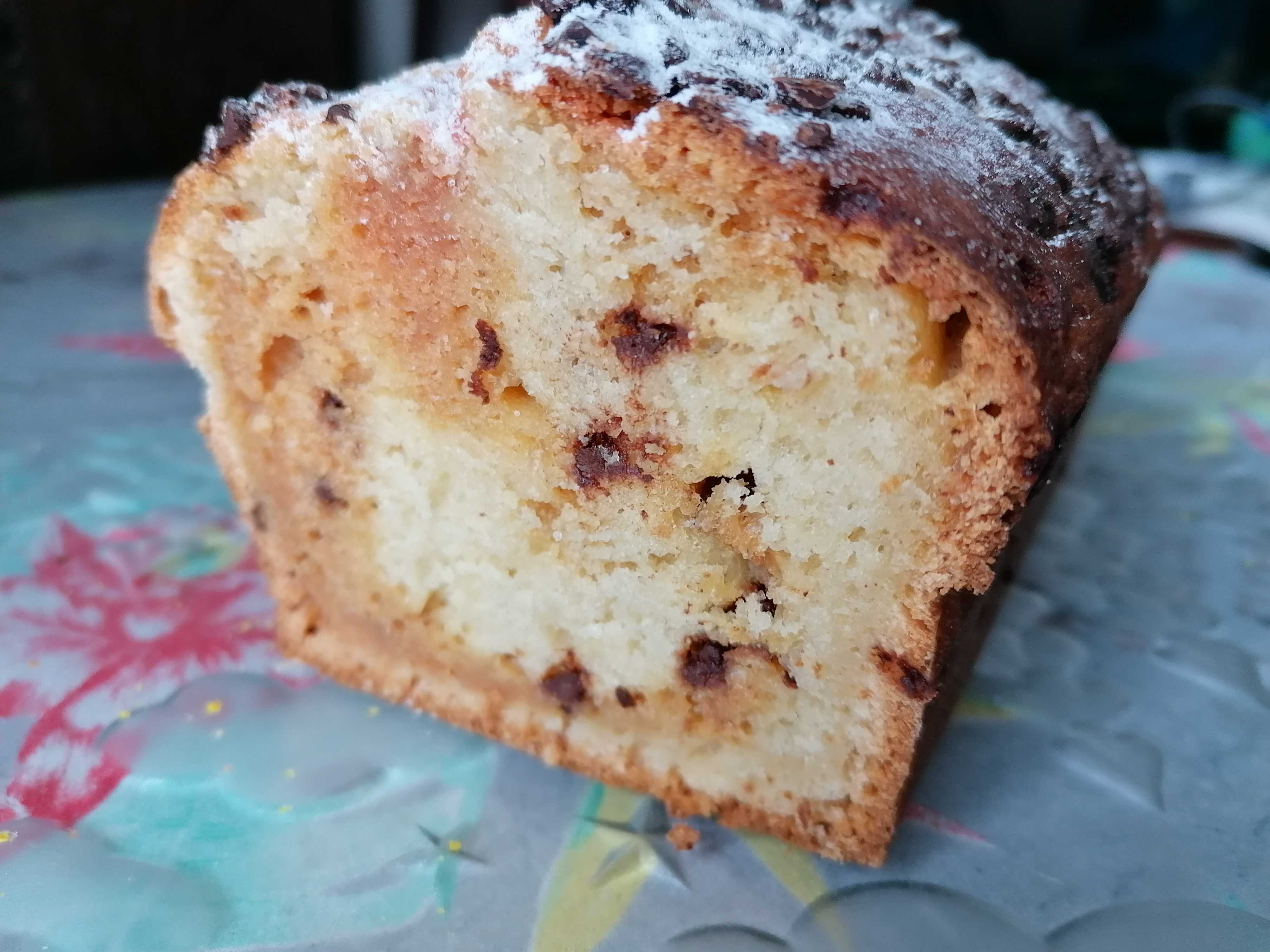
A fluffy, nutrient-packed cake recipe perfect for a winters day.
Ingredients
- 2 cups (284 g) all-purpose flour*
- 1 ½ cups (318 g) sugar/sweetener**
- 2 teaspoons baking powder
- ½ teaspoon baking soda
- ½ teaspoon salt
- 1 ⅓ cups (302 g) yogurt
- 10 tablespoons (141 g) olive oil***
- 3 large eggs
- 1 teaspoon vanilla
- 2 tablespoons beetroot powder
- 1 cup chocolate chips
Directions
- Preheat the oven to 350 degrees. Line a 9×13-Inch pan with parchment paper.
- In a large bowl, combine all the wet ingredients in one bowl and the dry in another (excluding the beetroot powder and chocolate chips). Bowl 1: Flour, sweetener, baking powder, baking soda and salt Bowl 2: yogurt, olive oil, eggs, vanilla
- Mix the dry ingredients into the wet until well-combined.
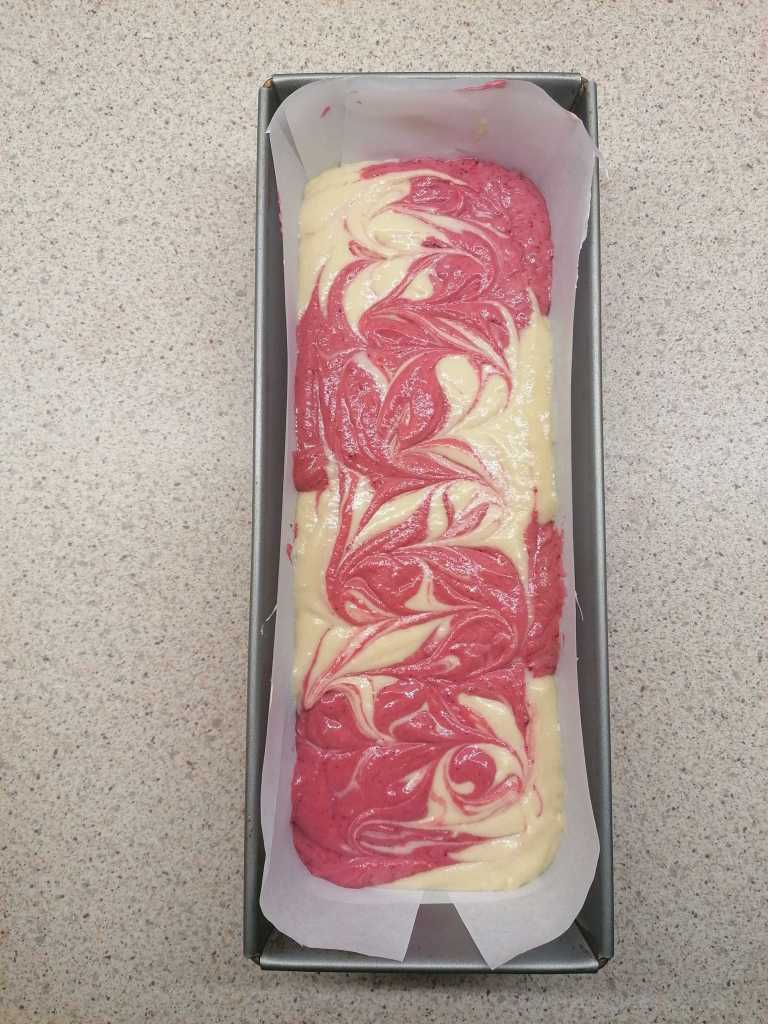
- Separate the mixture into two equal portions. Leave one as is, and in the other add the beetroot powder mixing well.
- Once these are ready, use a spoon to dollop portions of both mixtures into the base of the pan randomly. Then use a toothpick to make a swirl pattern.
- sprinkle half the chocolate chips on top.
- Spoon the remaining cake batter on top in large dollops and swirl. Sprinkle with the remaining chocolate chips. Bake for 30-35 minutes until golden on top and set around the edges and a toothpick comes out with only a few moist crumbs (don’t over bake or the cake will dry). Serve warm or at room temperature.
- Notes
- Gluten intolerance; substitute with a gluten-free flour
- Diabetics; substitute with, monk fruit sugar, stevia, canderel (1:1 ratio) otherwise you can make with half-half, cane sugar, coconut sugar or molasses
- If you don’t like the flavour of olive oil, as it can be potent in cakes, you can substitute it with: coconut oil, ghee, or vegetable shortening (1:1 ratio)
Nutrition
Per Serving: 232 calories; 14.1 g fat; 21.4 g carbohydrates;5.1 g protein; 41 mg cholesterol; 158 mg sodium; 4mcg Vitamin D;
98mg Calcium; 1mg Iron; 192mg Potassium.
 QuIrKaLiCiOuS