recipes

Lemon & Turmeric Cake

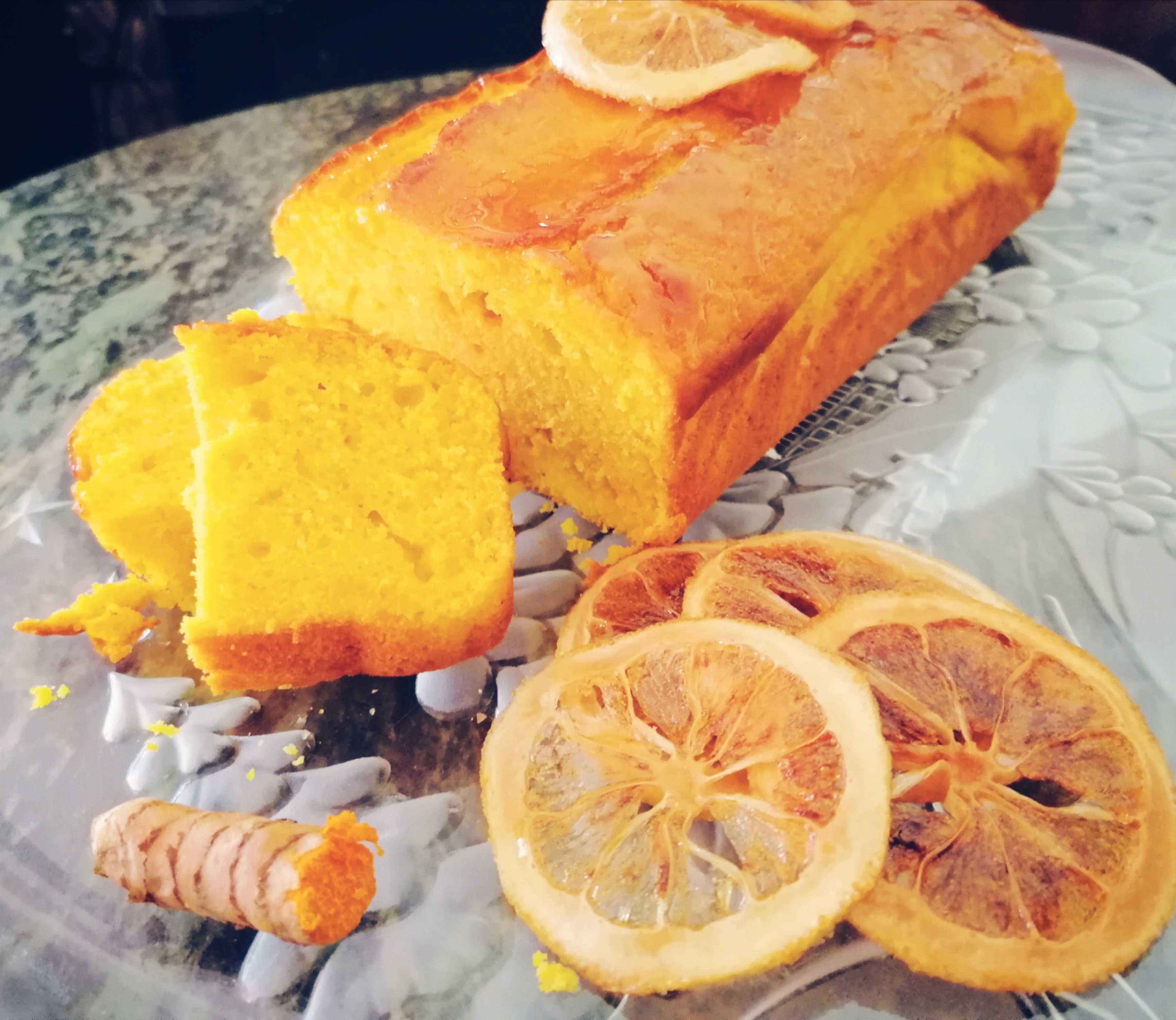
Moist, tangy, and delicious!! This lemon & turmeric cake can be decorated with caramelised lemon slices or left as is.

It’s easy, doesn’t require a mixer, and is the perfect tea cake. All your friends will absolutely love it! That’s IF there’s any left by the time they arrive…

The turmeric is not overpowering, but is just enough to draw attention to its presence. It provides the right hint of spice that pairs extremely well with the tanginess of the lemon. The appeal is not only with the flavour but also in the vibrant yellow colour, and of course, the health benefits, which are huge!

You can read more about these health benefits in our ‘immuno-boosting-combinations‘ post.

Lemon & Turmeric Cake

  • Servings: 12-15
  • Difficulty: easy
  • Rating: ★★★★★
  • Print

Moist, tangy, and delicious! And can easily be made keto or paleo! - This turmeric cake will be your new immuno-boosting go-to solution!

Ingredients

  • 1 ½ cups flour
  • 2 teaspoon baking powder
  • 1 teaspoon salt
  • ¾ teaspoon turmeric powder
  • {if you have fresh turmeric, you can also add a root (or less, depending on the size) finely grated}
  • 2 lemons – grated zest
  • ¾ cup sugar/stevia
  • ¾ cup yogurt
  • 2 eggs
  • ½ cup butter (melted)

Directions

  1. Preheat the oven to 350 degrees. Line a 10-Inch pan, or loaf pan with parchment paper.
  2. In a medium bowl, toss together the flour, baking powder, salt, turmeric powder, and freshly grated turmeric root if using.
  3. In a separate bowl, mix together the lemon zest with the sugar until combined. Then add the yogurt, eggs, and melted butter, making sure to mix well.
  4. Add the bowl with the wet ingredients to the dry and whisk until fully combined.
  5. Pour into the prepared pan.
  6. Bake for 30-35 minutes until set around the edges and a toothpick comes out with only a few moist crumbs (don’t over bake or the cake will dry). Serve warm or at room temperature.
    Substitutions
  • Substitute flour for oat flour, or gluten-free flour.
  • You can replace sugar with any form of granulated sugar, whether it be stevia or coconut sugar.
  • Instead of butter, you can use coconut oil, vegan butter or ghee, depending on your preference.

Nutrition

Per Serving: 119 calories; 7 g fat; 11 g carbohydrates; 2.8 g protein; 39 mg cholesterol; 61 mg sodium.

recipes

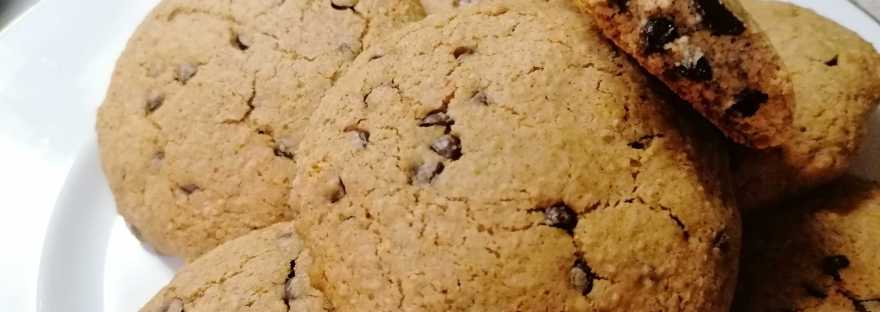
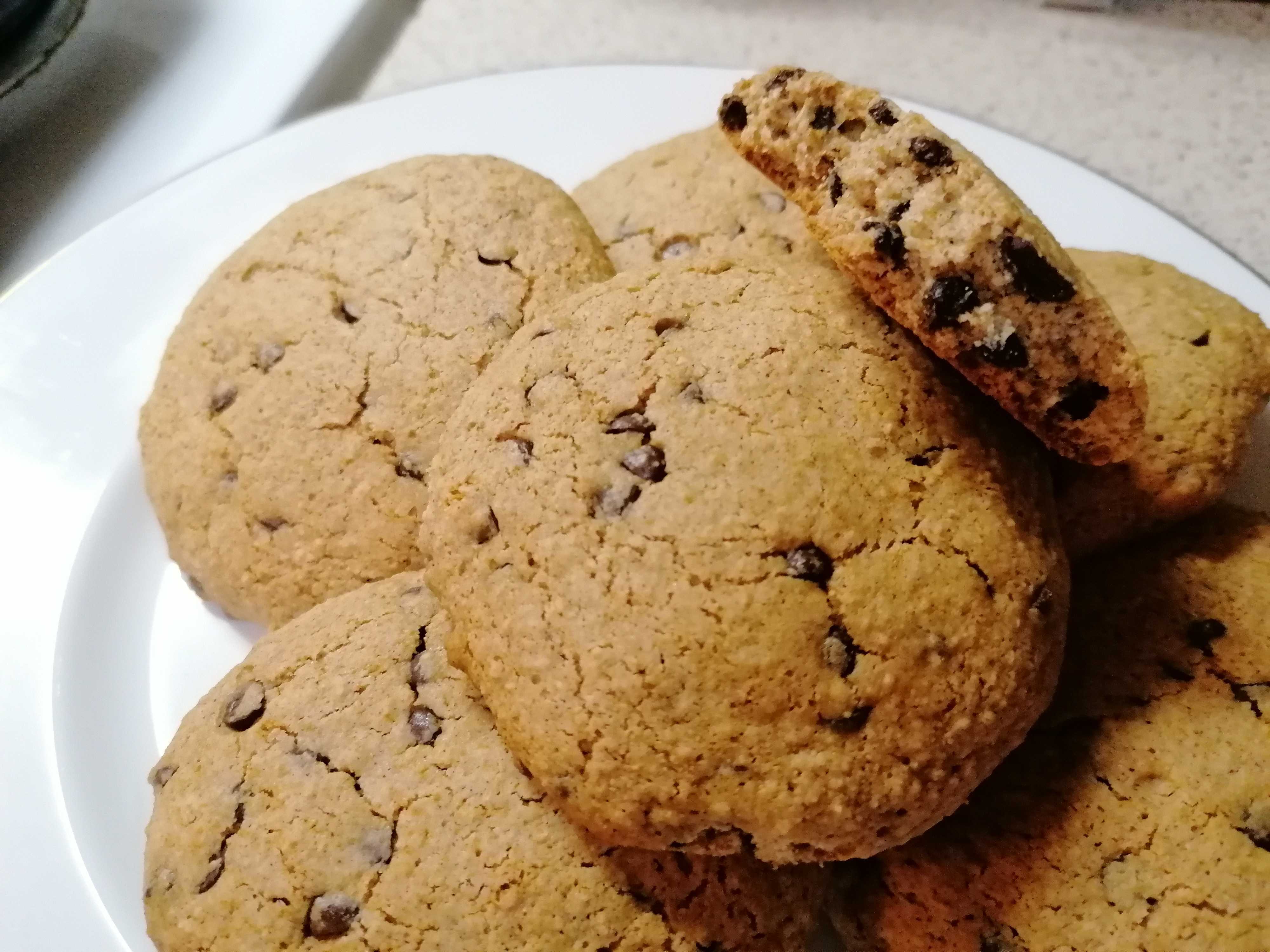
Best Healthy American Style Cookies

Addictive and indulgent! These soft and chewy cookies, loaded with chocolate chips, will just make your day!

You’ll find that you won’t be able to stop on only one bite…

As these cookies contain no eggs and no sugar, they won’t spread. So depending on your preference, you can make them as thick or thin as you like. I tried them both ways and must say I prefer them slightly thinner as it gave them a nice crunch before reaching the soft and chewy inner.

These cookies can be stored in a sealable container for up to 1 week, if they manage to last that long, as in my house they tend to go within the first hour. You can also store them in the refrigerator for up to 2 weeks.

Best Healthy American Style Cookies

  • Servings: 12-15
  • Difficulty: easy
  • Rating: ★★★★★
  • Print

No butter, no white flour, no sugar and no eggs needed - These vegan cookies can easily be made paleo or keto too!

Ingredients

  • 2 cups oat flour
  • ¼ cup arrowroot starch
  • 1 teaspoon baking powder
  • 1 teaspoon baking soda
  • 1 teaspoon Vanilla extract
  • 6 tablespoons honey
  • 2 tablespoons olive oil
  • ¼ cup unsweetened almond milk
  • ½ cup chocolate chips

Directions

  1. Preheat the oven to 180C/356F and line a large tray with parchment paper. Set aside.
  2. In a large mixing bowl, combine your dry ingredients and mix well.
  3. In a saucepan over the stove, or a microwave-safe bowl, gently heat your honey, add your oil and whisk together until combined.
  4. Add the wet mixture to the dry, along with the vanilla extract and milk, and mix until thoroughly combined.
  5. Fold in your chocolate chips.
  6. Place small spoonfuls of dough on the lined tray and press each one lightly, into a cookie shape.
  7. Bake for 12-14 minutes, or until lightly brown. Make sure not to overcook. Remove from the oven and allow to cool completely on the tray.
    Substitutions
  • Substitute Oat flour for almond flour for a more paleo cookie
  • Cornflour or tapioca flour can be used instead of arrowroot starch, also, flaxseed is a good alternative if you’re looking to make them keto
  • You can replace honey with maple syrup, agave nectar or sugar-free syrup to make it keto
  • Instead of olive oil, you can use coconut oil
  • coconut milk can be used instead, or any milk of your choice.

Nutrition

Per Serving: 163 calories; 5.5 g fat; 26.2 g carbohydrates; 2.8 g protein; 2 mg cholesterol; 9 mg sodium.

As an update, I substituted 1/2 a cup of oat flour with coconut flour and the results were very nice. It added a different flavour to mix.

recipes

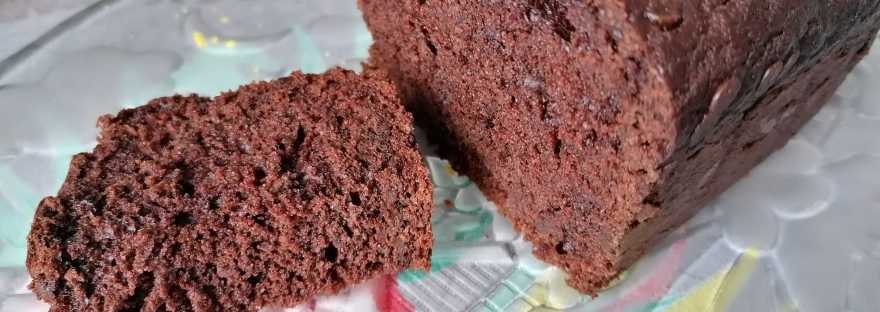
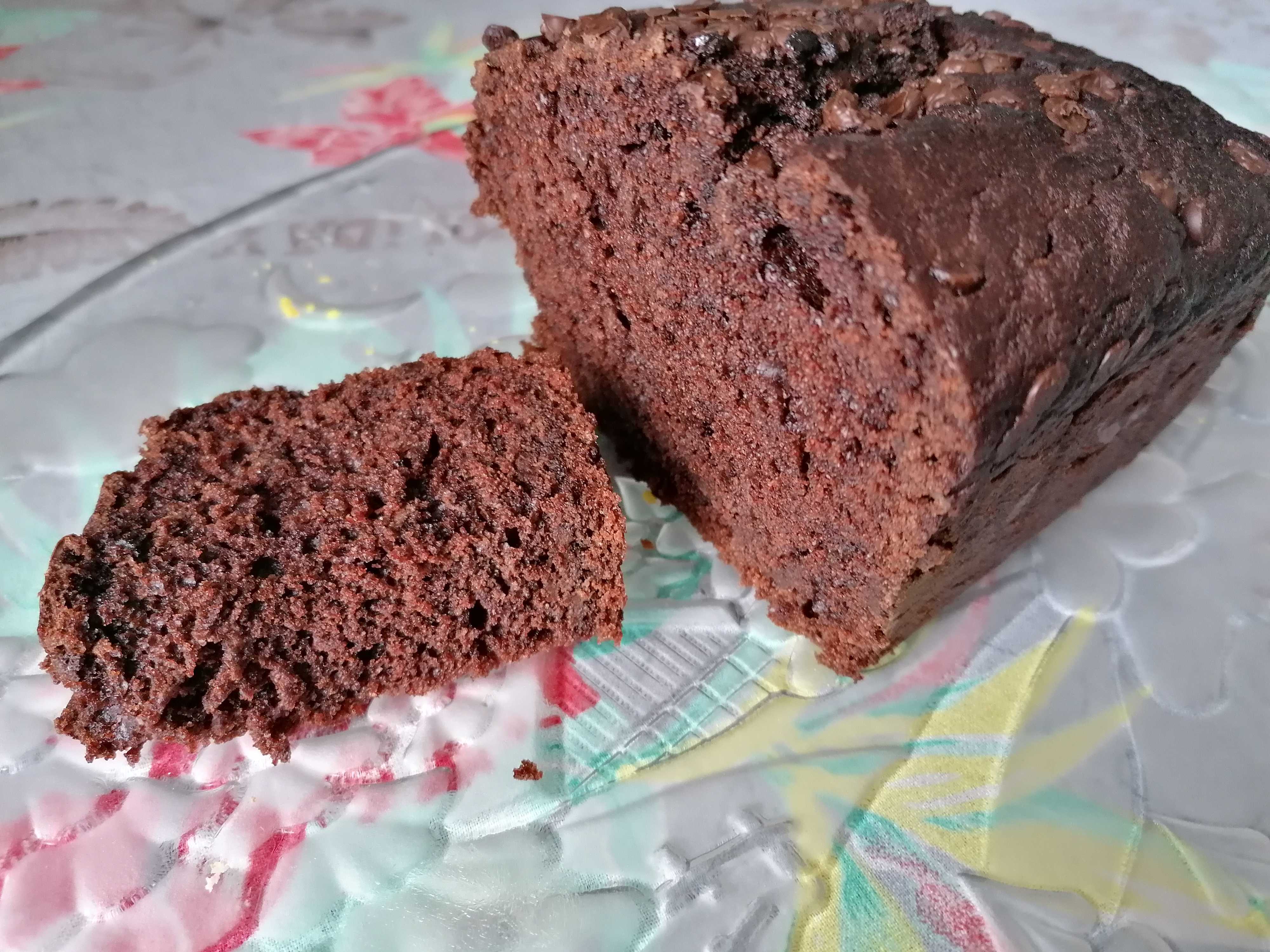
Healthy Chocolate Cake

An absolutely scrumptious, moist, fat-free healthy chocolate cake! Did I mention it’s foolproof, too?

This cake is perfect for those with high cholesterol as it doesn’t contain any butter, and is ideal for diabetics if made with monk fruit sugar or a suitable sweetener.

You will notice that in many of my recipes I tend to omit butter and replace it with a combination of yogurt and oil. This is because I find that using this particular combination results in a moist, fluffy cake whereas, as most of you know, sponge or Madeira cakes can come out slightly dry.

Healthy Chocolate Cake

  • Servings: 15
  • Difficulty: easy
  • Rating: ★★★★★
  • Print

A scrumptiouss, light and moist healthy chocolate cake recipe loved by kids and adults alike!

*Substitutes for certain ingredients can be found in the #notes section below*

Ingredients

  • 2 cups flour
  • ½ cup sugar
  • ¾ cup chocolate chips
  • ½ cup cocoa powder
  • 1 teaspoon baking soda
  • 1 teaspoon baking powder
  • 1 teaspoon vanilla essence
  • 1 egg
  • 1 cup yogurt
  • ½ cup olive oil
  • ½ cup espresso (cooled)
  • ¼ cup chocolate chips (to sprinkle on top)

Directions

  1. Preheat the oven to 350 degrees. Line a 10-Inch pan, or loaf pan with parchment paper.
  2. In a medium bowl, toss together the flour, sugar, chocolate chips, cocoa powder, baking soda and baking powder.
  3. In a separate bowl, mix together the egg, yogurt, olive oil, cooled espresso and vanilla essence, making sure to mix well.
  4. Add the bowl with the wet ingredients to the dry and mix well.
  5. Pour into the prepared pan and sprinkle with the remaining chocolate chips.
  6. Bake for 30-35 minutes until set around the edges and a toothpick comes out with only a few moist crumbs (don’t over bake or the cake will dry). Serve warm or at room temperature.
    Notes
  • Cocoa powder substitutes include carob powder, unsweetened cocoa powder, or a mixture of both depending on the taste you want to achieve.
  • Gluten intolerance; substitute with a gluten-free flour
  • Diabetics; substitute with, monk fruit sugar, stevia, canderel (1:1 ratio)
  • otherwise you can make with half-half, cane sugar, coconut sugar or molasses
  • If you don’t like the flavour of olive oil, as it can be potent in cakes, you can substitute it with: coconut oil, ghee, or vegetable shortening (1:1 ratio)

Nutrition

Per Serving: 227 calories; 11.1 g fat; 29 g carbohydrates; 4.4 g protein; 14 mg cholesterol; 112 mg sodium.

Nutrition

**Note that the calorific value reflects the calories using regular sugar. If you’ve used zero calorie sugar or sweetener, make sure to make the appropriate adjustments (i.e. remove 50 calories) and the same applies to all other substitutions.
recipes

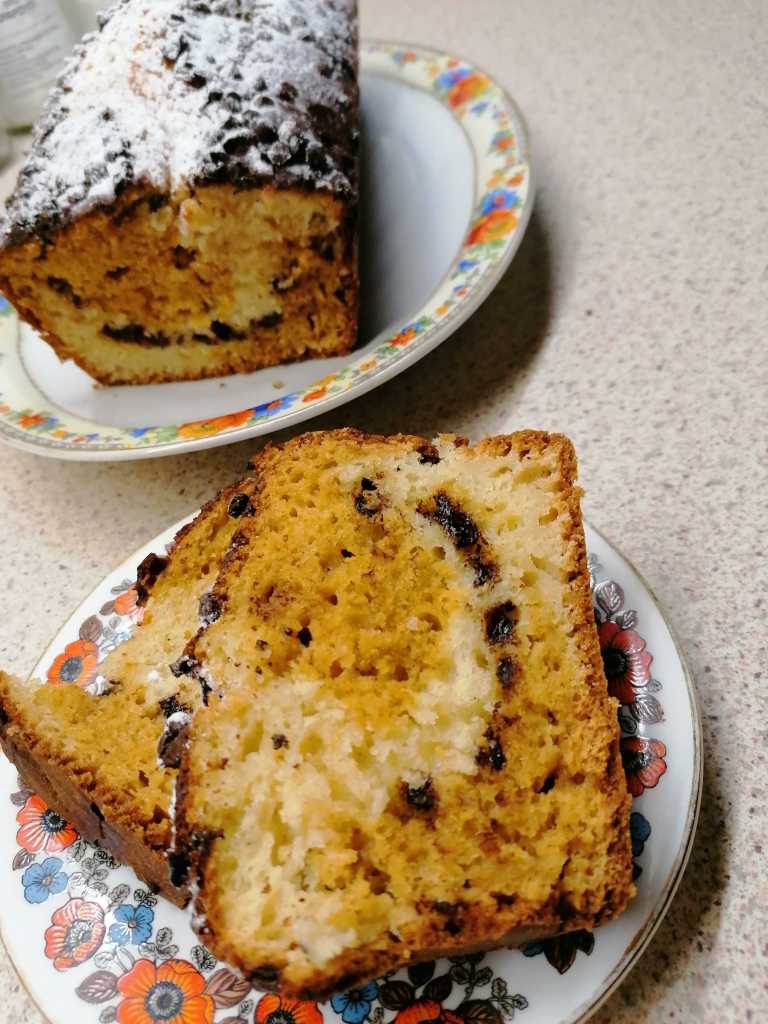
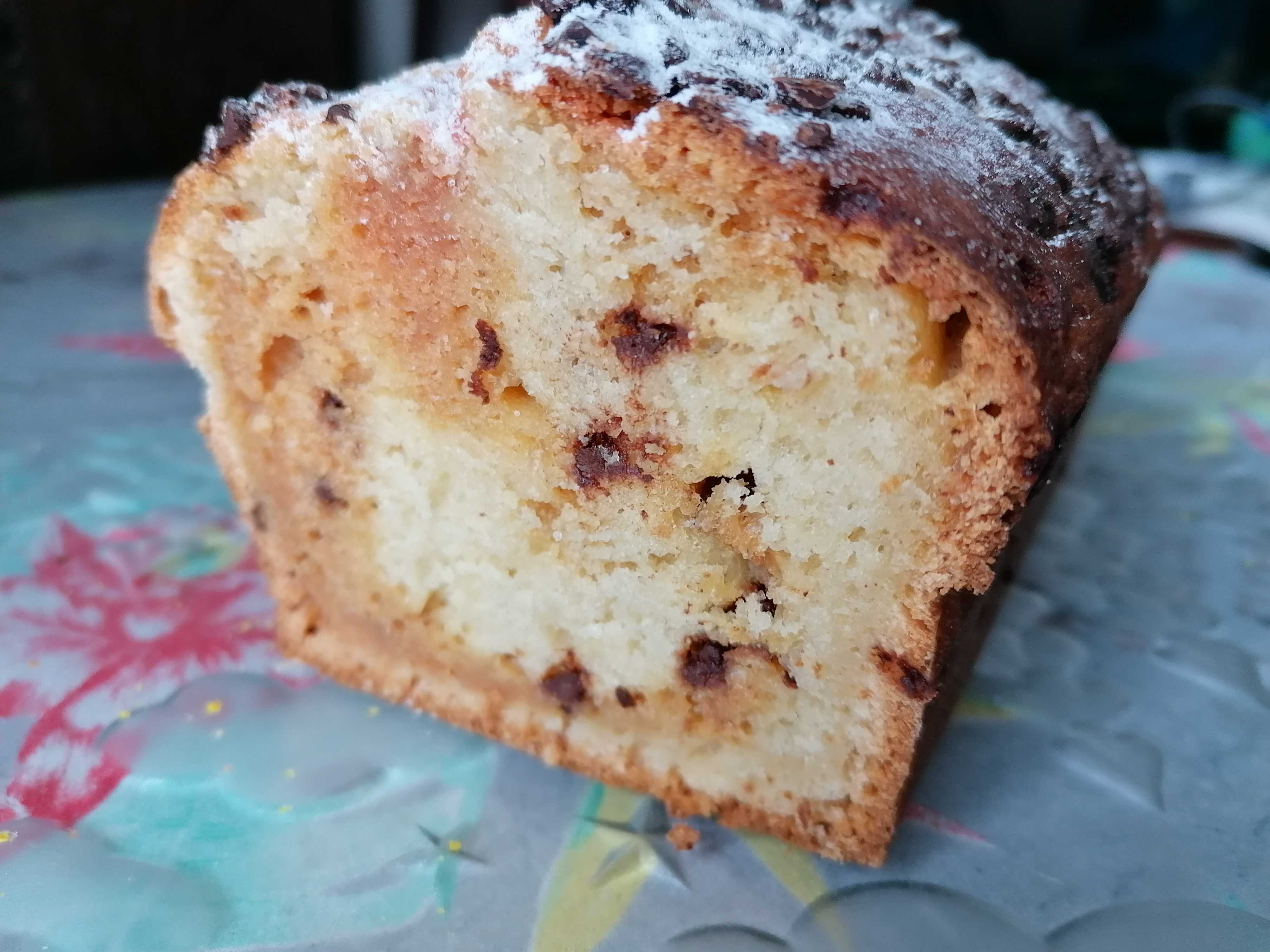
An Amazing, Healthy Beetroot Cake

This healthy beetroot cake is just unbelievable!

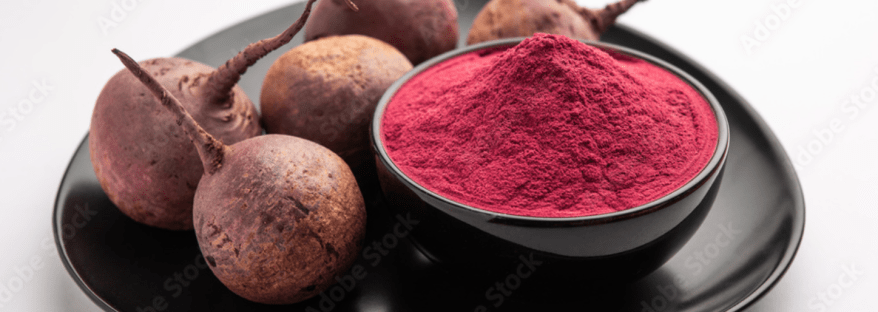
The beetroot powder packs it with nutrients and provides a unique flavour, whilst the sweetener omits calories and makes it suitable for diabetics (depending on your choice of sweetener, of course).

*To read all about the health benefits of beetroot, head over to our ‘Let’s BEET This Cold‘ page.*

Before we take a look at the recipe, if you’re anything like me, you may have experimented with natural colourings, opting to use powders instead of dyes, and have noticed that the end product didn’t contain the desired colour. And you’re wondering why… in the case of beets, why after baking is there no distinct red colour? Well, here is a funny fact about beetroots and their distinct red colour;

Beetroots are red due to their anthocyanins. And according to the International Conference on Food Science & Engineering;

Anthocyanins can be used as pH indicators as their colour is influenced by several factors such as pH, temperature, light, oxygen, and sugar; they are pink in acidic solutions (pH < 7), purple in neutral solutions (pH ~ 7), greenish-yellow in alkaline solutions (pH > 7), and colourless in very alkaline solutions, where the pigment is completely reduced.

Therefore, if your dough is a lovely red prior to baking but comes out a neutral yellow post baking, then it is most likely that something in your recipe alkalised your dough. This can be combatted by mixing a small amount of ascorbic or citric acid to your dough when mixing.

Please bear in mind though, that the concentration of and fruit powder is seldom high enough to get a noticeable colour without using large amounts of the fruit, which would change the recipe texture if simply added.

Bottom line: if you want a rich colour, you’ll simply have to colour it with a gel dye.

Healthy Beetroot Marble Cake

  • Servings: 15
  • Difficulty: easy
  • Rating: ★★★★
  • Print

A fluffy, nutrient-packed cake recipe perfect for a winters day.

Ingredients

  • 2 cups (284 g) all-purpose flour*
  • 1 ½ cups (318 g) sugar/sweetener**
  • 2 teaspoons baking powder
  • ½ teaspoon baking soda
  • ½ teaspoon salt
  • 1 ⅓ cups (302 g) yogurt
  • 10 tablespoons (141 g) olive oil***
  • 3 large eggs
  • 1 teaspoon vanilla
  • 2 tablespoons beetroot powder
  • 1 cup chocolate chips

Directions

  1. Preheat the oven to 350 degrees. Line a 9×13-Inch pan with parchment paper.
  2. In a large bowl, combine all the wet ingredients in one bowl and the dry in another (excluding the beetroot powder and chocolate chips).
  3. Bowl 1: Flour, sweetener, baking powder, baking soda and salt Bowl 2: yogurt, olive oil, eggs, vanilla
  4. Mix the dry ingredients into the wet until well-combined.
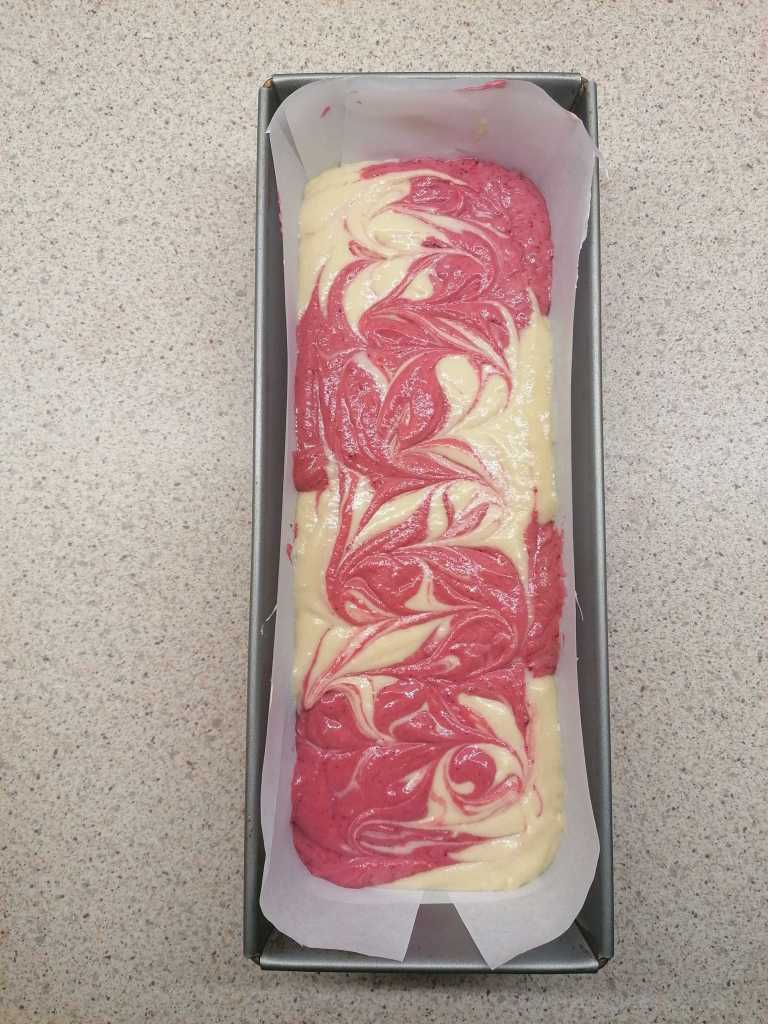
  5. Separate the mixture into two equal portions. Leave one as is, and in the other add the beetroot powder mixing well.
  6. Once these are ready, use a spoon to dollop portions of both mixtures into the base of the pan randomly.
  7. Then use a toothpick to make a swirl pattern.
  8. sprinkle half the chocolate chips on top.
  9. Spoon the remaining cake batter on top in large dollops and swirl. Sprinkle with the remaining chocolate chips.
  10. Bake for 30-35 minutes until golden on top and set around the edges and a toothpick comes out with only a few moist crumbs (don’t over bake or the cake will dry). Serve warm or at room temperature.
    Notes
  • Gluten intolerance; substitute with a gluten-free flour
  • Diabetics; substitute with, monk fruit sugar, stevia, canderel (1:1 ratio)
  • otherwise you can make with half-half, cane sugar, coconut sugar or molasses
  • If you don’t like the flavour of olive oil, as it can be potent in cakes, you can substitute it with: coconut oil, ghee, or vegetable shortening (1:1 ratio)

Nutrition

Per Serving: 232 calories; 14.1 g fat; 21.4 g carbohydrates;
5.1 g protein; 41 mg cholesterol; 158 mg sodium; 4mcg Vitamin D;
98mg Calcium; 1mg Iron; 192mg Potassium.

Nutrition

**Note that the calorific value reflects the calories using regular sugar. If you’ve used zero calorie sugar or sweetener, make sure to make the appropriate adjustments (i.e. remove 50 calories) and the same applies to all other substitutions.
SUPERFOODS

Let’s BEET This Cold

Beetroot is classified as one of the top ten plants with the highest antioxidant activity!

Beetroots and its various forms have been gaining popularity as a superfood globally, especially among athletes looking to improve their performance, and in health individuals to reduce blood pressure, and increase blood flow.

This was fuelled by a vast interest in the potential use as a disease-preventing food and for general health promotion. The health promotional characteristics of beetroot include antioxidant and anti-inflammatory effects, anti-diabetic, anti-carcinogenic, hypertensive, hepatoprotective, and wound healing properties.

Beetroot consists of a number of biologically active phytochemicals such as betalains (which in the context of antioxidation, increase cellular resistance to oxidation, thus decreasing the oxidative damage of lipids. They function to reduce the extent of inflammation in blood vessels, joints, and bones), flavonoids, polyphenols, and saponins, among inorganic nitrate (NO­­­3) which is known for being a multi-functional messenger molecule with implications both in the vascular and metabolic systems.

Beetroot also contains B-vitamins (B1- thiamine, B2-riboflavin, B3-niacin, B5-pantothenic acid, B6-pyridoxine, B9-folates, and B12-cyanocobalamin) as well as folic acid, several essential amino acids, and is a highly potent source of a range of minerals (phosphorus, calcium, magnesium, copper, zinc, iron, potassium, sodium, and manganese).

The fibre derived from beetroot provide a probiotic effect, increasing the proportion of beneficial bacteria in the gut, such as Bifidobacterium and Lactobacillus species.

So to conclude, beetroot provides a wide range of possible health benefits, such as reducing blood pressure, improving digestive health and regularity, lowering the risk of diabetes, preventing arthritis, kidney inflammation, and may assist in decreasing the risk of neurodegenerative disorders such as dementia & Alzheimer’s.

Here are a number of delicious and interesting ways to incorporate beets to your diet;

  • Salad; Beets make a flavourful and colourful addition to any for of salad, whether warm (with couscous or quinoa), or cold (in coleslaw or mixed leave salad)
  • Baked goods; packs an abundance of nutrients and flavours in cakes, bread, and many more
  • Dips; a nice dip is one mixed with yogurt and garlic
  • Juices
  • Soups; both hot and cold
  • Leaves; boil and serve with fresh lemon and garlic (just as you would nettle or spinach)
  • Boiled; try not to over boil as you lose nutrients, best served with a fresh garlic sauce
  • Roasted; best roasted in aluminium foil to preserve the juices
FOOD

The history behind Horseradish

Legend has it the Delphic oracle told Apollo, 

“The radish is worth its weight in lead, the beet its weight in silver, and the horseradish its weight in gold.” 

There are very few things in this world that can beat the nasal-passage clearing, palate-rousing flavour of the knobbly root.

Whilst horseradish has been used worldwide for thousands of years, it is prized for its medicinal and gastronomic qualities, and bears a very intriguing history.

This root is a cruciferous vegetable, part of the Brassica genus of plants, alongside mustard, wasabi, cabbage, brussels sprouts, kale and more, and contains multiple compounds that may provide health benefits, including antibacterial and anticancer effects.

Horseradish has been used for centuries as an aphrodisiac, to treat rheumatism, and a flavourful accompaniment for most dishes.

So, how did the name ‘horseradish’ come about? Well, it is said that this perennial plant was cultivated in Greece and used both as a rub to treat lower back pain and as an aphrodisiac. From there it spread from east to west, with England being introduced to the root via Germany. The Germans called it “meerrettich” (sea radish) as it grew by the sea. It is believed that the English mispronounced the German word “meer”, and mistook the word to be a compound of the words “Mahre’ and “rettich”, meaning radish, and began calling it “mareradish.” As the German word “mahre“, is related to the English word “mare“, and both “rettich” and “radish” come from the Latin word “radix”, meaning root, eventually, it became known as horseradish. The word “horse” (as applied in “horseradish”) is believed to denote large size and coarseness.

When this root is cut, an enzyme breaks down a compound called sinigrin, a powerful antioxidant, into a mustard oil, giving horseradish its telltale odour and taste. This oil may have powerful antibacterial properties, with studies suggesting that it may fight a range of dangerous bacteria, including E. coliH. pylori, and Salmonella. It is also used for kidney stones and urinary tract infections.

Furthermore, it’s rich in a variety of healthy plant compounds, including glucosinolates, which break down into isothiocyanates and may protect against cancer, infections, and brain diseases.

So, you may recall us mentioning that horseradish is known for its nasal-passage clearing effect. For those of us that have eaten horseradish with a little too much zest, you will be well acquainted with the burning sensation experienced in your sinuses and throat, not to mention the tears that roll down your cheeks. For this reason, it is used to treat colds and breathing issues, alongside acute sinusitis and bronchitis.

Prepared horseradish is made by peeling and grating the fresh horseradish root and storing it in vinegar, and salt. This is not the same as horseradish sauce which is widely seen on tables accompanying cuts of meat, poultry, or fish. On the contrary, horseradish sauce combines the prepared horseradish with cream, sour cream, or mayonnaise, which makes it much milder and creamier.

Once grated, the fresh horseradish can be kept in an airtight container or bag for around five to six days in the refrigerator, before it starts drying, or placed in the freezer for future use in dishes. The prepared horseradish, on the contrary, can be stored in an airtight container in the refrigerator for up to six weeks.

FOOD

Street Food…The Antidote To Fast Food.

Urbanisation and street food go hand in hand.

As people’s palate change, and we become receptive to a variety of different ingredients, flavours and cuisines, we are seeing an extraordinary leap in innovation concerning flavour combinations and the ways in which food is served.

The roots of street food date far back in history, to the birth of civilisation. In fact, it is believed that the first ever distribution of such street food began on the streets of Ancient Greece, with the sale of small fried fish. Having said this, there is an ongoing debate whether in fact it originated in Greece or whether its roots are in Asia, where it is more widely found. Regardless of this, the reason it transpired remains the same. It began as a way to cater for poor urban residents, whose tenement homes did not have ovens or hearths. And so provided nourishing dishes that were affordable by all.

Street food has evolved alongside civilisation, ever so discreetly. However, it’s most often out of poverty that the best of human ingenuity emerges, and so forth emerged the eternal recipes that would provide the foundations of an entire culinary culture.

So let’s take a minute to delve into a few different areas and their integration into street food… in Paris there were the “pâstés”; pastry cases with various fillings, usually stewed meat or vegetables. These then lead to the term “patisserie”. The anglo-saxon lower class also worked on the same principle of pies: a crust made of flour, lard and water containing a cooked filling, and in Britain, fish and chips were sold on the streets wrapped in newspaper.

Spinach pie, grilled vegetables, and local street snacks in the stall of a traditional food market

Due to the fact that street food was born with the primary need to feed the poorer community, cheaply, it has always been considered of little worth. But this is far from the case. Street food is often the last defence for a place’s traditions and identity. It’s what identifies and distinguishes one area from another.

Those that have not been exposed to the street food culture tend to shy away from it thinking it is unhealthy and unhygienic. However, despite concerns about contamination at street food vendors, the incidence of contamination is very low with a number of studies showing rates comparable to those of restaurants.

Today, while some street foods remain regional, many are not, having spread wide and far.

So why do we love to eat fast food? Well, It’s economical, easily accessible, often nutritious, and offers an endless culinary variety of traditional dishes for every taste. Although we may recognise that the majority of street food is not extremely healthy, we love the fact that there are large varieties available at a cheaper price, and that the food is served ‘on the spot’. In most places, street food also represents the local cuisine, in a more authentic manner.

The contribution of street food vendors to the economy has been greatly underestimated and neglected, as is vital for the economic planning and development of many towns.

Remember:

It’s fast food, NOT junk food.

It’s a way of life!

FOOD

It’s a grape day!

It is said that the propriety even of old Cato often yielded to the exciting influence of the grape. — Horace

Fresh grapes are a staple in most households both in and off season, and are consumed as are, in salads, roasted…and in many other ways. Wine is also widely consumed, but what happens with the pulpy residue that remains after winemaking? Well a number of things are made with this. For example, it is used in cosmetics, made into flour for use in baking and more, oil for salads…and much, much more.

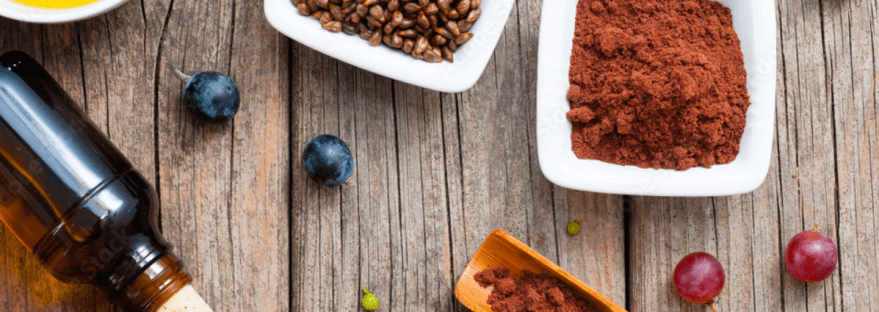
Grape seed extract is produced from the pomace (seeds and skin) waste generated during winemaking, by removing, drying, and pulverizing the bitter-tasting seeds of grapes. It is promoted as a dietary supplement for various conditions, including venous insufficiency (when veins have problems sending blood from the legs back to the heart), promoting wound healing, and reducing inflammation.

Due to the high antioxidant content in grape seeds, it can help prevent disease and protect against oxidative stress, tissue damage, and inflammation. It also reduces blood pressure, improves blood flow, collagen levels and bone strength, improves kidney function, inhibits infectuous growth, protects the liver, enhances wound healing and appearance, and may reduce the risk of cancer.

The antioxidant and anti-inflammatory properties in grape seeds are also thought to delay or reduce the onset of neurodegenerative diseases like Alzheimer’s disease.

In addition to antioxidants, grape seed flour is a good source of magnesium, calcium, iron, healthy fats, protein and fibre.

There are a variety of different types of grape seed flour each with a slightly different flavour and colour depending on the grape varietal they were derived from, i.e. Chardonnay, Cabernet Sauvignon, Merlot etc.

Grape seed flour isn’t a flour in the true sense of the word. It is gluten-free and comes as a fine powder that can be added to baked goods (pancakes, breads, cakes, scones, crackers, and many more) to add flavour, colour and nutrition. It can also be added to yogurt or smoothies and used to thicken sauces, flavour soups or in dressings. Furthermore, it adds a rich colour and flavour to dishes with a slight astringent yet fruity taste, and so chefs recommend that it makes up no more than 3-5% of the total flour in your recipe.

All-in-all, grape seed extract is a superfood which should be incorporated into the diet.

*A delicious addition to your hearty baking delights*

MENTAL HEATLH

The concept of Time

Time is the most undefinable yet paradoxical of things; the past is gone, the future is not come, and the present becomes the past, even while we attempt to define it. Charles Caleb Colton (1824).

Our lives consist of an infinite number of variables. In fact, it might even be safe to say that our lives are one big variable. Time is a variable, health another, even our moods are variables. There comes a point where we begin to wonder if there actually is anything we control in our lives… the people we fall in love with, our emotions, our reactions are yet more examples of things we can’t control.

So what is the definition of a variable? A variable is something that is not consistent or has a fixed pattern; it’s liable to change and adapt.

We walk around believing and claiming that we have all the time in the world to do this, and that, and everything under the sun, but is that really true? Time is an uncertainty. Are we able to control it? No we aren’t. Time is limited and can change at the drop of a hat. So what I say is; live your life and make every second count. Tell those you love how you feel, what they mean to you, and try to spend as much time as you can with them. Don’t take it for granted that they will be around forever for you to lose that valuable minute not telling them you love them, admire them, or even what traits it is that you admire and look up to. Because if you were to lose that crucial minute and have the opportunity to tell them taken away from you, what would you do? How would you feel?

Would you say you feel depressed? When people feel great sadness, grief or bereavement, they instantly associate it with depression but in truth, they are not one of the same. The loss of a job, the death of a loved one, or the ending of a relationship are all difficult experiences for a person to endure, and therefore normal to develop feelings of sadness or grief in response to such situations. But being sad is not the same as being depressed. You see, the grieving process is natural and unique to each individual. Although it does share a few features of depression, it also differs in other very significant ways. For example, 1) when experiencing grief, the painful feelings tend to come in waves, often intermixed with more positive memories. With depression, mood, interest and/or pleasure are decreased for the majority of two weeks. *Note that for a diagnosis of depression to occur, the symptoms must last a period of at least two weeks consecutively. 2) in grief, self-esteem is usually maintained whereas in depression, feelings of worthlessness and self-loathing are commonly present. And 3) in grief, thoughts of death may arise when thinking about “joining” their deceased loved one, whereas with depression, their thoughts are focused on ending their lives due to feeling worthless, undeserving of living, or being unable to cope with the pain of depression.

Having said that, grief and depression are able to co-exist. For some, the grief caused by the death of a loved one, the loss of a job, or being the victim of a physical assault/domestic violence or a major disaster can lead to depression. When grief and depression co-occur, the grief experienced is more severe and lasts longer.

Several factors that play a role in depression are; biochemistry, genetics, personality, and environmental factors. In reference to environmental factors, we are referring to situations such as continuous exposure to violence, neglect, abuse or poverty.

There are a number of medical conditions that can mimic symptoms of depression as well, such as thyroid problems, vitamin deficiencies or even a brain tumour. It is therefore of upmost importance that these are ruled out first.

So, to sum things up, don’t let a minute go by without telling those you love how you feel about them and what they mean to you, telling your friends what you like and admire about them, giving your family members that long heart-warming embrace and generally spending time with those that mean something to you.

Depression can affect anyone, even those who appear (externally) happy and in ideal living circumstances….you see, those that smile the most hide the greatest pain.

So make sure to take time to smile, talk, lend an ear, and always be nice, because you don’t know what might be happening in someone’s life, or what is going on behind the scenes. You may be just the person they need to help them get out of a terrible situation.

Life is all about making moments and memories. So let’s go do just that!

SUPERFOODS

Life is a flower, of which love is HONEY

“If everything is honey, and I am what I eat, I must be made of honey…and life is very sweet!”
– Winnie the Pooh

The types and varieties of honey that exist today are virtually unlimited with each one, more or less, boasting a unique taste, texture and special set of health and nutritional benefits.

If you do want to enjoy honey to its fullest, it’s worth taking a little time to understand the differences between the different types.

To begin with, raw, unfiltered honey is very different to the pasteurised honey you find in the supermarkets. You see, after the honey bees collect nectar and bring it back to their hive, the pollen is passed, by mouth, from bee to bee with each one adding crucial enzymes that break down the nectar while adding anti-inflammatory, anti-fungal and antibacterial properties. This is stored in the honeycomb as fructose and glucose. Due to this sugar being hygroscopic, meaning it contains very little moisture but can retain a lot if kept unsealed, the moisture must be evaporated, and is achieved by air circulation (made by the bees fanning their wings to speed up the process) and natural heat. The bees seal the honeycomb with wax in order to protect the finished product. Beekeepers will then come in, take the honey and bottle it. This product is the raw, unfiltered honey.

Unfortunately, most producers will pasteurize the honey to destroy the yeast it contains, making it smoother with a longer shelf life. This is the processed honey you see in most stores. Some produces will take it even further and add high-fructose corn syrup or other sweeteners to increase the quantity and decrease their costs.

Honey varieties are usually classified by the type of flower the nectar is collected from. Honey that comes from just one source is called a “unifloral” honey, while honey produced from the nectar of more than one type of flower is known as “multifloral”.

Fir, or Pine, honey
It has anti-inflammatory and antioxidant properties, it is an immunostimulant, cleanser, helps in the cure of some bacterial, dermatological, degenerative, inflammatory and autoimmune diseases. When applied directly to the skin it can be used as a healing agent for wounds and anti-rheumatic diseases.

Flower Honey – to boost immunity and against cold and flu
It is also known to reduce cholesterol and triglyceride and comes from several types of spring flowers such as dandelion, cherry, plum, apple and other meadow and field flowers.

It is rich in antioxidants and helps in recovering after illness and with seasonal allergies.

Acacia honey – removes stress and is excellent for airway problems
Acacia is known to help clean the liver, regulate the intestines and contains anti-inflammatory properties. It is also said to have a sedative effect, and therefore helps with insomnia, soothes the irritated nervous system and eliminates the consequences of accumulated stress.

It is highly recommended as a remedy for bronchitis and is excellent for respiratory tract and cough relief

Clover honey prevent infection
Contains antibacterial properties that prevent the formation of bacteria internally and on wounds

Honeydew honey – forest honey for digestive problems, anaemia and diabetics
Due to it being many times richer than a flower honey with minerals, amino acids and oligosaccharide probiotics, it is often recommended for digestive disorders. Its high iron content makes it perfect for individuals suffering from anaemia and those recovering after severe illnesses and surgeries. Also, due to its rich mineral salt content and small amount of sugar, it is often recommended for diabetics and athletes.

Chestnut honey – for clean teeth and blood vessels
Due to its strong antibiotic effect, it is considered one of the most healing types of honey. It contains a large amount of minerals and pollen thus aiding in digestive diseases, circulation and blood pressure. It is used widely for the majority of illnesses and inflammations.

Linden honey – ideal to treat cold and flu
Perfect during the times of cold, flu and viruses due to its detoxifying property. As it stimulates sweating and speeds up the heart, it is not recommended for heart condition patients or those suffering from cardiovascular problems.

Rapeseed honey – cleans your liver

Sunflower honey – excellent for heart condition patients and the elderly
Top for treating all kinds of inflammation, accelerating wound healing, breathing problems, throat infection and sinusitis.

Sage honey – for respiratory diseases
Recommended in diseases of the respiratory system and is the perfect remedy against bronchitis and cough as it stimulates expectoration (the removal of mucus from the lungs). It also has antibacterial properties that prevent the creation and spread of bacteria and parasites, and antioxidant properties that provide protection against damage to the body’s cells.

These are but a few of the varieties available to sweeten up your day

MENTAL HEATLH, SUPERFOODS

Immuno-Boosting Combinations

Our immune systems are complex defence networks comprising many cells, proteins and processes that work to protect our bodies against any infection and diseases. It keeps a record of every germ ever defeated so that it is able to recognise and destroy the microbe quickly if it enters the body again. To work optimally, it requires balance and harmony.

Therefore, our first line of defence is a healthy lifestyle with good, regular nourishment.

Due to the closely linked relationship of mind and body, it is important to consider the relationship between stress and immune function and try incorporate foods and supplements to work on these simultaneously.

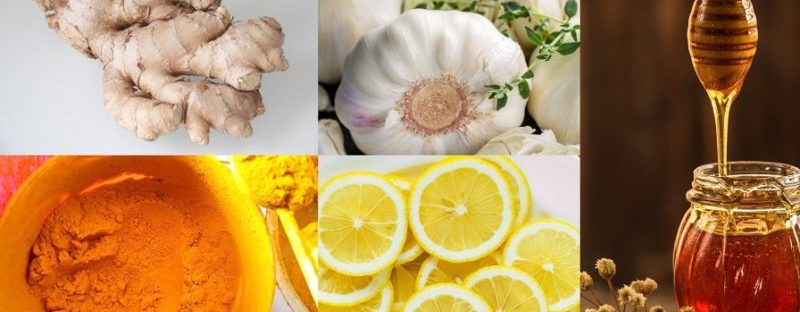
Below are a few items that when combined provide a powerhouse of nutrients to battle any cold, flu or bacteria. They can be incorporated into any food or consumed as a tea.

GINGER
The unique fragrance and flavour of ginger come from its natural oils, the most important of which is gingerol. This is what is responsible for most of its medicinal properties and has powerful anti-inflammatory and antioxidant effects which help strengthen your immunity and reduce stress, prevent cell damage, fight off a number of chronic diseases like high blood pressure, heart and lung diseases, fights germs, illness, inflammation and cancer-causing molecules, all whilst promoting healthy ageing.

Inhaling the steam from freshly made ginger root tea may also assist in relieving nasal congestion and other respiratory issues from the common cold or environmental allergies.

Ginger works as a powerhouse detoxifier, helping remove unwanted chemicals from your body, and neutralizing unstable molecules known as free radicals from the kidneys thus preventing the formation of kidney stones.

It is also known to treat chronic indigestion, suppress your appetite, and keep your metabolism at its best.

LEMON
Freshens your breath, boosts your immunity, improves your skin, aids in digestion, may support heart health, and weight control among many other benefits. They are high in vitamin C and fiber.

Lemons may also help prevent kidney stones due to their citric acid content. The citric acid works by increasing urine volume and increasing urine pH, thus creating a less favourable environment for kidney stone formation.

Due to the fact that vitamin C and citric acid assist in the absorption of non-heme iron from plants, lemons are also thought to prevent anaemia.

TURMERIC
Turmeric contains the active compound curcumin which has many scientifically-proven health benefits such as the potential to prevent heart and liver disease, reduce cholesterol, alleviate PMS symptoms, aid in gastrointestinal diseases, Alzheimer’s and cancer. It is also a potent anti-inflammatory and antioxidant and therefore helps to fight off a variety of viruses including herpes and the flu, among many other things.

Honey
Raw, unpasteurised, honey has long been used as a folk remedy throughout history and has a huge variety of health benefits and medical uses such as antibacterial and antifungal properties, digestion and gut health, immunity boosting, antioxidants, in its use for sore throats and to heal wounds.

Garlic
Garlic has been used throughout history for its medicinal properties. It is known to combat sickness, common colds, infections, reduce blood pressure and improve cholesterol levels reducing the risk for heart disease.

Green Tea
Contains powerful antiviral and anti-inflammatory properties therefore boosting the immune system and preventing various ailments such as cancer and coronary heart disease among many others. It also reduces the effects of free radicals and prevents inflammation caused by extensive exposure to UV sunrays.

All the above are prefect for incorporating in to your every day diet to alleviate a variety of ailments whilst boosting your immune system.

MENTAL HEATLH, SUPERFOODS

Let’s Chat About Stress Busting Foods

Stress is everywhere, affects us all, and means different things to different people. Where one thing may cause stress in one person, it may be of little concern to another. There are some people better able to handle stress than others and not all stress is bad.

It is a natural physical and mental reaction to life experiences, and is the body’s reaction to harmful situations, whether real or perceived.

When you feel threatened, your nervous system, primarily your hypothalamus sends a signal to your adrenal glands instructing them to release the stress hormones adrenaline and cortisol, which stimulate the body for emergency action, allowing you to act in a way to prevent injury… your heart beats faster, muscles tighten, blood pressure rises, your breathing quickens, and your senses heighten. This reaction is known as “fight-or-flight,”.

While a little stress may actually be beneficial, too much stress can have adverse effects, wearing you down making you sick, both mentally and physically, and is known to affect all systems of the body including muscles, respiratory, cardiovascular, endocrine, gastrointestinal, nervous and reproductive systems.

Stress can affect all aspects of your life such as your body, your thinking ability, emotions, and your behaviour. There is no part of you that is immune to the effects of stress, but due to the fact that each one of us handles stress differently, our symptoms may vary.

With acute, momentary stress, your muscles tighten all at once and then release when the stress passes. In chronic conditions whereby the stress has not passed, the muscles are left in a more or less constant state of tension which leads to a number of triggered reactions else where in the body, such as tension-type headaches and migraine headaches which are known to be associated with chronic muscle tension in the shoulder, neck and head region. Musculoskeletal pain in the low back and upper extremities have also been linked to stress.

With regard to the gastrointestinal aspect, environmental causes have been seen to be the determining factor in a large percentage of cases. This could be due to the fact that once the stress hormones are released, they direct more oxygen and blood to the brain and muscles thus depleting the gut of them and affecting both the systemic and gastrointestinal immune and inflammatory responses allowing for disorders such as diverticulitis, inflammatory bowel disease (IBD), irritable bowel syndrome (IBS) and other functional gastrointestinal diseases, food antigen-related adverse responses, peptic ulcer and gastro-oesophageal reflux disease (GERD) to occur.

The physiological effects of stress on the gut include alterations in gastrointestinal motility, an increase in visceral perception, changes in gastrointestinal secretion, an increase in intestinal permeability, negative effects on regenerative capacity of gastrointestinal mucosa and mucosal blood flow, and negative effects on intestinal microbiota.

Foods can help subdue stress in a number of ways….

All carbohydrates increase levels of serotonin, a mood-enhancing chemical that decreases anxiety and stress, whilst increasing happiness, and mood. Therefore, comforting foods, such as a warm bowl of porridge (oats) is perfect, but for a steadier release of this hormone, whole grains are better as they digest slower. Other foods that also increase serotonin levels naturally are pineapple, salmon, eggs, nuts & seeds, turkey & poultry, tofu, soy, milk and cheese.

Certain foods can reduce the levels of cortisol and adrenaline stress hormones, thus consequently reducing the effect of stress, such as asparagus, low-fat milk, cottage cheese and fruit, almonds and walnuts, tuna, blueberries, green tea, whole grains, salmon, bananas, pears, and at least 70 percent dark chocolate (as one to two ounces per day can significantly improve mood and mood chemicals)

Other foods and supplements that can help combat stress are as follows;
– Vitamin C, found in kiwis and oranges, reduce the levels of stress hormones while strengthening the immune system.
– Magnesium, found in spinach, soybeans and salmon. Too little magnesium may exacerbate headaches and fatigue already caused by stress.
– Omega-3 fatty acids, found in fish such as salmon and tuna
– Potassium, found in avocados and bananas

A healthy diet can help counter the impact of stress by boosting the immune system and lowering blood pressure.
MENTAL HEATLH, SUPERFOODS

Food for Thought

There comes a time when one’s focus, concentration, memory and general retention of knowledge or facts may come in to question. Most often directly from the individual themselves.

At times like this we must bear in mind that everyone is different, unique, both in the way they store information and in the process of retrieving it. That’s how and why we are each able to excel in different fields. Not all of us are mathematically minded, or great at literacy skills… but we can all work towards proving the best foundation, and optimal conditions for our minds to function.

Are there times when you feel tired, sluggish or forgetful without any logical reason?

A reason for this could in fact be our thyroid gland. You see, the thyroid gland is responsible for a number of things… for one, it produces hormones that regulate the body’s metabolic rate controlling heart, muscle and digestive function, brain development and bone maintenance, and its correct functioning depends on a good supply of iodine from the diet.

An underactive thyroid is common in adults and is frequently associated with cognitive issues, such as increased forgetfulness, mental slowing and “brain fog”. As the hippocampus is a thyroid hormone receptor-rich region of the brain involved in learning and memory, any alterations in thyroid hormone levels have been reported to impair hippocampal-associated learning and memory, synaptic plasticity, and neurogenesis.

You can support your memory and brain function with a variety of nutrients and antioxidants…and plenty of liquids. Fruits and vegetables are bursting with antioxidants and it’s usually those that are brightly coloured that are the best.

Nootropics are natural or synthetic supplements or medications that are known as cognitive enhancers… brain supplements that boost cognitive performance… and are particularly for executive functions, memory, creativity, or motivation, in healthy individuals.

Caffeine is arguably the most potent nootropic you can find, improving your alertness and focus while quickening your reaction times, but this is not a long term option. A few of the more natural, nutritional supplements can be seen below..

1. CAROTENOIDS

These are the yellow, orange and red pigments synthesized by plants. So, CAROTENE, LUTEIN, and LYCOPENE. These can be found in carrots (also great for eye health), apricots, asparagus, broccoli, mangoes… all the bright colours!

2. CREATINE

This is generally found in various meats, seafood and dairy.

3. OMEGA-3 FATTY ACIDS

Can be found in good quantities in salmon, flax and chia seeds, soybeans and walnuts.

4. FISH OILS

Usually found in oily fish such as salmon, herring, tuna, anchovies, and mackerel, but can also be found in the liver of other such as cod liver and in oysters.

5. RESVERATROL

Now this one is interesting… Resveratrol is found in red wine, at a larger quantity than in white wine as it is fermented with grape skins longer, and therefore contains a greater quantity of resveratrol… Thus laying to the claim that red wine is better for you as it contains a greater amount of antioxidants…and all due to the red pigmentation of the grapes.

Dark berries, peanuts, cocoa, blueberries and cranberries are also a few more examples of foods that contain resveratrol.

6. VITAMIN E

A powerful antioxidant, seen to be depleted in smokers, that can be found in spinach, broccoli, sunflower seeds, nuts (such as almonds), fortified cereals, and avocado.

7. B VITAMINS (especially B12)

Can be found in most of the foods already mentioned such as salmon, avocado, beef and fortified cereals, just to mention a few.

All these are but a few of the natural supplements one can introduce in to their diet to improve, or boost, their cognitive function.

Christmas, FOOD, Travel

One of Europe’s best Christmas Markets – Tallinn, Estonia

Strings of light twinkle, special foods are prepared and communities come together. Christmas markets are at the heart of winter holidays where delicious flavours and cheer await the whole family…

That’s right… Christmas market season has finally begun! And for a traditional Baltic Christmas market, Tallinn is hard to beat.

This year i’m surprising my little sister and my wonderful brother in-law with a trip to Europe’s top most spectacular and festive Christmas Market.

With it’s Christmas spirited fairy tale setting, twinkling lights, cozy atmosphere, and the best-preserved medieval town center in the world, Tallinn is considered one of the 10 most beautiful Christmas Markets in Europe!

Tallinn’s Christmas Market is home to one of Europe’s oldest holiday traditions dating back 250 years. Since 1441 a competition was held every year to find the most important and suitable spruce to decorate the town square, making it the first Christmas tree ever to be put on display in Europe.

Every year, on the 24th of December, the President of Estonia declares Christmas Peace, a 350-year-old tradition that began back in the 17th century by the order of Queen Kristina of Sweden.

Food is one of the most important aspects of any Christmas. For Estonians, Christmas food includes many local staples such as blood sausages, pork, potatoes, vegetables, lingonberry jam, pickled pumpkin, jellied meat, sauerkraut, and of course Estonian black bread, all of which fill the table come Christmas Eve.

Gingerbread, dried fruit, nuts, all sorts of chocolate, and tangerines are just some of the traditional snacks available, and of course no visit to Estonia in winter is complete without a mug of glögg or hõõgvein (mulled wine).

Christmas, FOOD

The tale of the Christmas Stocking

“’Twas the night before Christmas, when all through the house
Not a creature was stirring, not even a mouse;
The stockings were hung by the chimney with care,
In hopes that St. Nicholas soon would be there;”

‘A Visit from St Nicholas’ – Clement Clarke Moore 1823

Only a few days left ’til Christmas!! Have you finished decorating your house? If you are like me, this began the minute November rolled in… the radio was tuned into the Christmas channels, the boxes filled with all the decorations scattered the living room, the house smelled of freshly baked Christmas cookies and among the cluster and somewhat organised chaos, sat my son and dog waiting impatiently to dig in and unleash Christmas.

Alongside the Christmas tree, all the beautiful ornaments and the large decorative wreath for the front door is one of the most widely known and told of traditions as far as one can remember…the Christmas stocking.

Christmas stocking ad from a 1918 catalogue

Since the 1800’s, and their most documented reference in ‘A Visit from St Nicholas’, the stocking has evolutionised and transformed from the ordinary stocking found in a common drawer to something more extravagant, and in most cases, handmade. Even the lack of a fireplace or mantle was no hindrance for those who believed in the Christmas spirit. In some cases the stocking could be seen hung from other objects, even rifles (during WW II).

Most commonly, stockings throughout the 1950s would feature some reference to Santa Claus, his reindeers, or generally contain winter and snow-themed patterns.

Soon after, Christmas stockings became more of a fashionable ornament than anything else.

The most popular folklore as to why stockings are hung at Christmas goes something like this… A recently widowed man and father of three girls was having a tough time making ends meet. Even though his daughters were beautiful, he worried that their impoverished status would make it impossible for them to marry. St. Nicholas was wandering through the town where the man lived and heard villagers discussing that family’s plight. He wanted to help but knew the man would refuse any kind of charity directly. Instead, one night, he slid down the chimney of the family’s house and filled the girls’ recently laundered stockings, which happened to be drying by the fire, with gold coins. And then he disappeared. The girls awoke in the morning, overjoyed upon discovering the bounty. Because of St. Nick’s generosity, the daughters were now eligible to wed and their father could rest easy that they wouldn’t fall into lonely despair.

For years after, citrus fruits, mainly oranges tended to end up in Christmas stockings. Do you know why? Some say it’s from a time when fresh fruit was more difficult to come by and finding an orange in your stocking was a huge treat. But a different version of that beautiful-daughters-distraught-father legend swaps the gold coins left by St. Nick with three gold balls left in each stocking. Understandably, the solid gold balls tradition isn’t so easy to replicate and that’s why their citrus look-alikes have found their way into stockings alongside trinkets and baubles.

Stockings, from being hung exclusively on the fireplace mantel, were now seen hung on Christmas trees, in children’s bedrooms upstairs, and even across washing lines that were fastened across ends of the room.

I remember Christmas Eve, being snuggled tight in my bed, with my over-sized stocking lying across the bottom of my bed, waiting impatiently to hear the jingling of reindeer bells followed by the pitty-patter of footsteps on the roof. Pure excitement flowing through my veins. Did I ever hear this? No. Mostly because I ended up nodding off to sleep well before Santa arrived. But low and behold, on Christmas day my stocking was filled! Santa had come and I had missed him yet again. Oh well, there was always next year!

What are your fond memories of Christmas Eve? Do you have a particular stocking of choice, or any folklores that have been told to you by your parents, and theirs alike?

I love to make Christmas ornaments and still have the knitted stockings from my childhood (which I continue to hang up every year!).

In posts to come, I will be showing some of those ornaments and how to make them.

I would love to see and hear from you all, so share your pictures and tales below. If you have any pictures from your grandparents or even earlier share them too! It would be lovely to see how each and every one of you celebrate this time of year, and how we have adapted throughout history.

Christmas, FOOD

Christmas in a Glass – Mulled Wine and it’s Travel Through Time

* It’s never truly Christmas without a glass of mulled wine*

Assail your senses and warm your spirit for Christmas is finally here!

‘Tis the Season for Mulled wine, Christmas spice and holiday cheer! Children singing merrily along to Christmas songs whilst their parents rummage through their best kept hand-me-down recipes, compiling their shopping list of the fundamental ingredients for all their Christmas dishes…

But one ESSENTIAL winter standard along side a log fire and roasting chestnuts is a much cherished ‘hot’ mulled wine. While you search for your recipe of the drink you will be making this year, be it enhanced with Vodka, Cognac, Port or the standard milder version, let’s take a step through time and see the story of how mulled wine once again made it onto our Christmas table this year…

Wine has been a major part of human culture since we first figured out how to make it around 4100 BC (or so research has shown us). When a bad harvest hit a beautifully tendered vineyard, in order to prevent waste, and to make sure as much alcohol as possible was palatable, they would heat the wine and infuse it with spices so as to mask the flavour of the spoiled wine or weak vintages.

Europeans later found that steeping herbs, spices and a host of other ingredients in wine for medicinal purposes made a pretty potent health potion, and heating it was an effective way of fighting off the cold winter chill.

The first use of the word “mull” as a verb, meaning “to heat, sweeten, and flavor (as wine or cider) with spices,” was in 1618 by Merriam-Webster. Along the way, a number of references have been made by famous poets and writers, one of those being Shakespeare whos many lines praise “Sack”, a sweet and fortified wine that is sometimes spiced, and Charles Dickens, who cited a version of mulled wine called ‘Smoking Bishop’ in his 1843 novel “A Christmas Carol.” Mulled wine’s association with the holidays was henceforth solidified.

The best thing about mulled wine are the variations in which you can make it. In France, they call it Vin Chaud, and it usually contains a bit of Cognac along with the wine and spices. In Italy, they call it Vin Brúlé, and they make it with full-bodied reds. In Germanuy, Glühwein is found at all the Christmas markets full of citrus and cinnamon. Similarly, Glögg found in Sweden and other Scandinavian countries has citrus and is often mixed with port. China has their own version called Fa Diu, made from rice wine with plums, and Turkey has a version called sicak sarap with figs and apricots!

The most commonly used ingredients include cinnamon, ginger, clove, anise star, sugar or honey, vanilla, and citrus peel (most often orange). Due to their being differences in recipes depending on region, other spices such as cardamom, coriander seed, mace, bay leaf, allspice and peppercorns can also be used. Sometimes, additional fruit, such as dates, cranberries, apricots, plums, and apple are included.

Mulled wine is commonly kicked up a notch by the addition of port, sherry, cognac, brandy or other liquors.

You can play with your favourite fruits and spices and make your own special mulled wine blend!

I would love to try your recipes and see your photos so make sure to attach them below and let’s all share the taste of Christmas…