Stress is everywhere, affects us all, and means different things to different people. Where one thing may cause stress in one person, it may be of little concern to another. There are some people better able to handle stress than others and not all stress is bad.
It is a natural physical and mental reaction to life experiences, and is the body’s reaction to harmful situations, whether real or perceived.
When you feel threatened, your nervous system, primarily your hypothalamus sends a signal to your adrenal glands instructing them to release the stress hormones adrenaline and cortisol, which stimulate the body for emergency action, allowing you to act in a way to prevent injury… your heart beats faster, muscles tighten, blood pressure rises, your breathing quickens, and your senses heighten. This reaction is known as “fight-or-flight,”.
While a little stress may actually be beneficial, too much stress can have adverse effects, wearing you down making you sick, both mentally and physically, and is known to affect all systems of the body including muscles, respiratory, cardiovascular, endocrine, gastrointestinal, nervous and reproductive systems.
Stress can affect all aspects of your life such as your body, your thinking ability, emotions, and your behaviour. There is no part of you that is immune to the effects of stress, but due to the fact that each one of us handles stress differently, our symptoms may vary.
With acute, momentary stress, your muscles tighten all at once and then release when the stress passes. In chronic conditions whereby the stress has not passed, the muscles are left in a more or less constant state of tension which leads to a number of triggered reactions else where in the body, such as tension-type headaches and migraine headaches which are known to be associated with chronic muscle tension in the shoulder, neck and head region. Musculoskeletal pain in the low back and upper extremities have also been linked to stress.
With regard to the gastrointestinal aspect, environmental causes have been seen to be the determining factor in a large percentage of cases. This could be due to the fact that once the stress hormones are released, they direct more oxygen and blood to the brain and muscles thus depleting the gut of them and affecting both the systemic and gastrointestinal immune and inflammatory responses allowing for disorders such as diverticulitis, inflammatory bowel disease (IBD), irritable bowel syndrome (IBS) and other functional gastrointestinal diseases, food antigen-related adverse responses, peptic ulcer and gastro-oesophageal reflux disease (GERD) to occur.
The physiological effects of stress on the gut include alterations in gastrointestinal motility, an increase in visceral perception, changes in gastrointestinal secretion, an increase in intestinal permeability, negative effects on regenerative capacity of gastrointestinal mucosa and mucosal blood flow, and negative effects on intestinal microbiota.
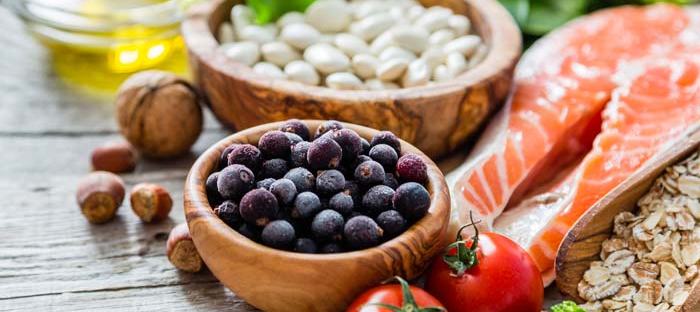
Foods can help subdue stress in a number of ways….
All carbohydrates increase levels of serotonin, a mood-enhancing chemical that decreases anxiety and stress, whilst increasing happiness, and mood. Therefore, comforting foods, such as a warm bowl of porridge (oats) is perfect, but for a steadier release of this hormone, whole grains are better as they digest slower. Other foods that also increase serotonin levels naturally are pineapple, salmon, eggs, nuts & seeds, turkey & poultry, tofu, soy, milk and cheese.
Certain foods can reduce the levels of cortisol and adrenaline stress hormones, thus consequently reducing the effect of stress, such as asparagus, low-fat milk, cottage cheese and fruit, almonds and walnuts, tuna, blueberries, green tea, whole grains, salmon, bananas, pears, and at least 70 percent dark chocolate (as one to two ounces per day can significantly improve mood and mood chemicals)
Other foods and supplements that can help combat stress are as follows;
– Vitamin C, found in kiwis and oranges, reduce the levels of stress hormones while strengthening the immune system.
– Magnesium, found in spinach, soybeans and salmon. Too little magnesium may exacerbate headaches and fatigue already caused by stress.
– Omega-3 fatty acids, found in fish such as salmon and tuna
– Potassium, found in avocados and bananas
A healthy diet can help counter the impact of stress by boosting the immune system and lowering blood pressure.
 QuIrKaLiCiOuS